
The 2026 Miami Grand Prix has solidified its status as a premier event for the global sporting calendar, serving as the intersection of elite athleticism and cultural prestige. Following a landmark 2025 season, the sport’s momentum has surged into 2026 with unprecedented force. Formula 1’s global fanbase reached a staggering 827 million in 2025--a 63% increase since 2018--and this growth shows no signs of slowing. When this massive audience descended upon Miami during the first weekend of May, Miami International Airport (MIA) became the primary gateway for a diverse influx of spectators, from diehard racing enthusiasts to high-level business executives and global icons like Lionel Messi and Serena Williams.
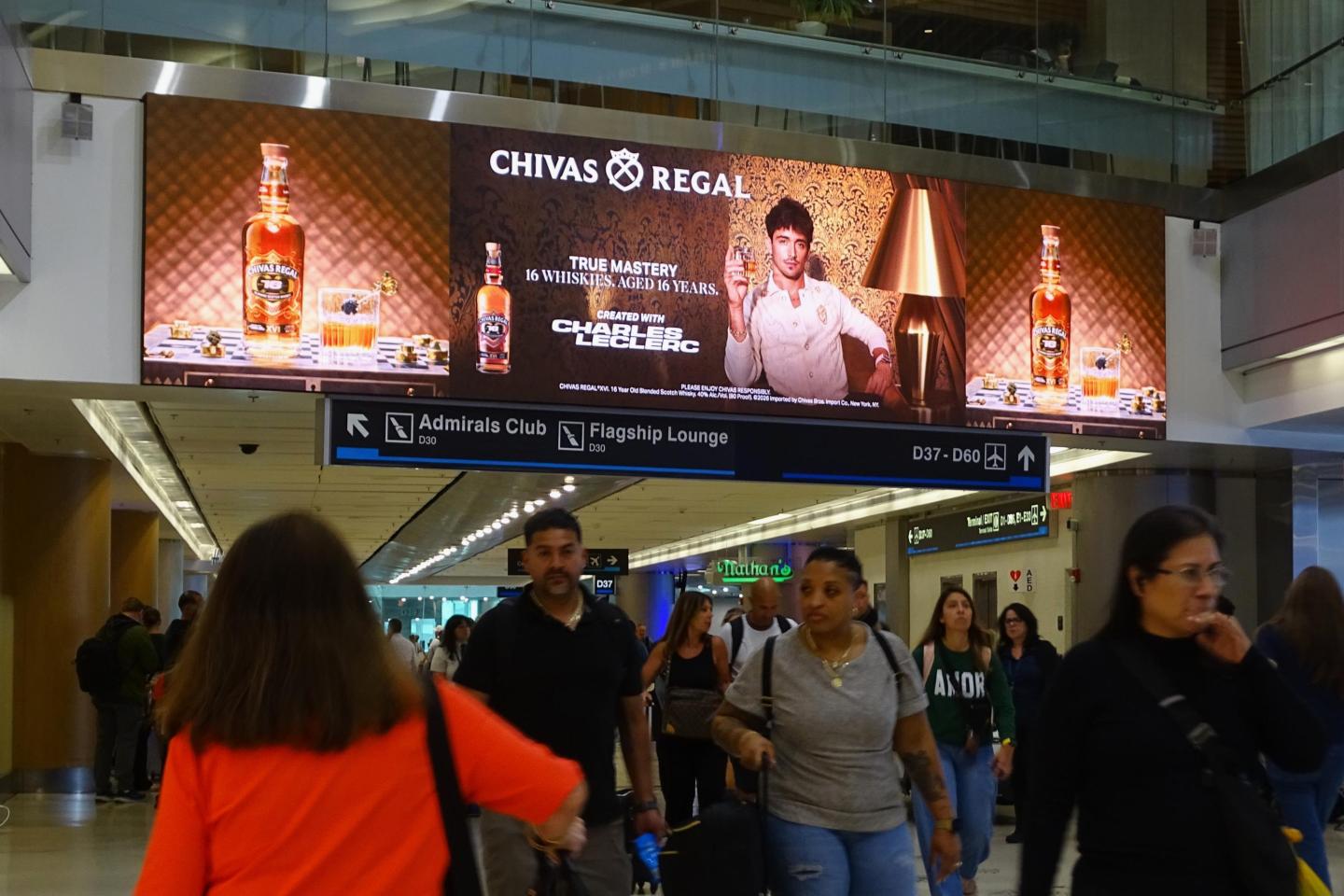
Official Partners and Team Sponsors Leveraging MIA OOH
For official Formula 1 partners and team sponsors, the journey to the track began the moment fans touched down at MIA. Brands such as Heineken, Nestlé, TAG Heuer, Chivas Regal, and Apple strategically integrated themselves into the traveler’s path, ensuring immediate brand resonance. Simultaneously, team sponsors including Dell Technologies, Cadillac, Wells Fargo, SAP, Tumi, Audi, and Marriott utilized JCDecaux’s expansive digital inventory to capture the attention of the arriving masses. By leveraging MIA’s Prestige Digital Network, Gateway Digital Network, and Digital Spectaculars, these advertisers achieved total airport coverage that was impossible to miss.
Omnipresence does more than just build awareness; it serves as a powerful force multiplier for existing sponsorship investments. By dominating the airport environment, brands bridge the gap between broadcast and the physical event, effectively “owning” the fan experience from arrival to the track.
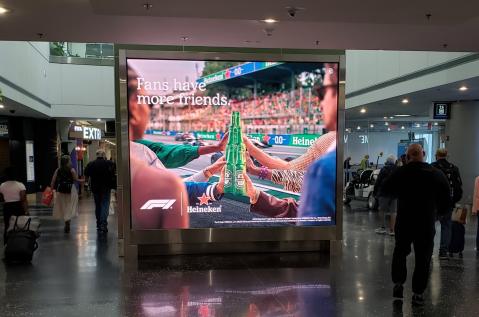
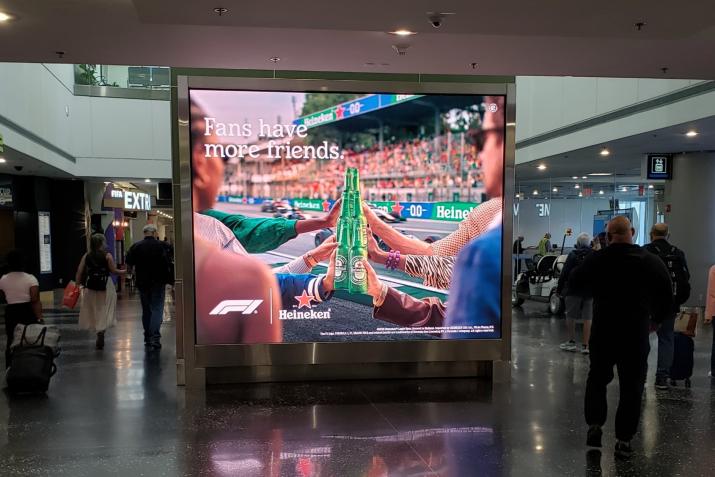
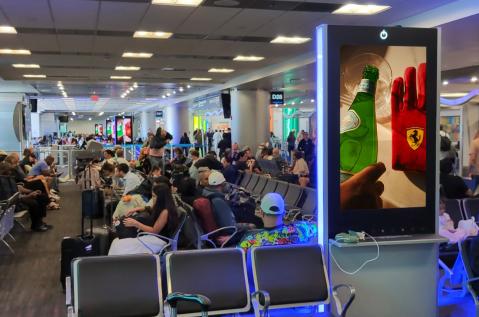
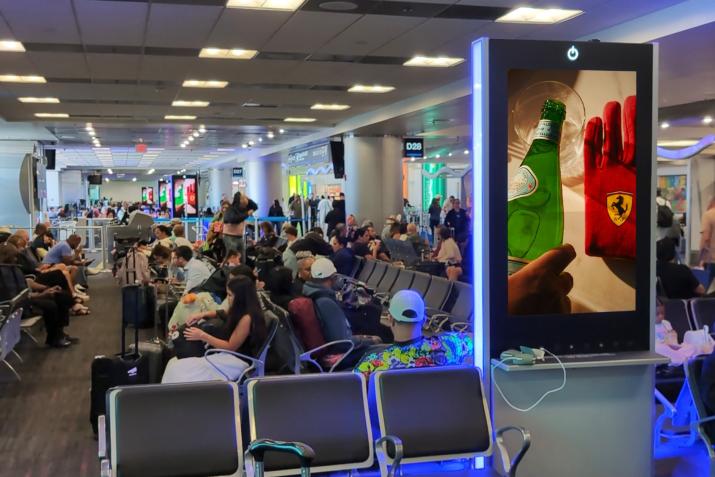
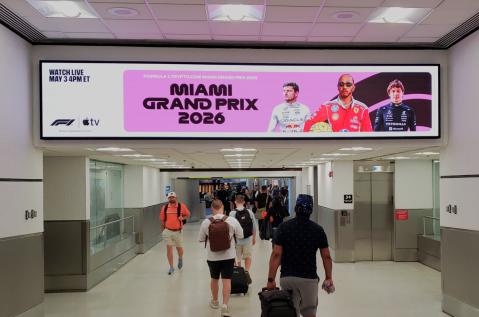
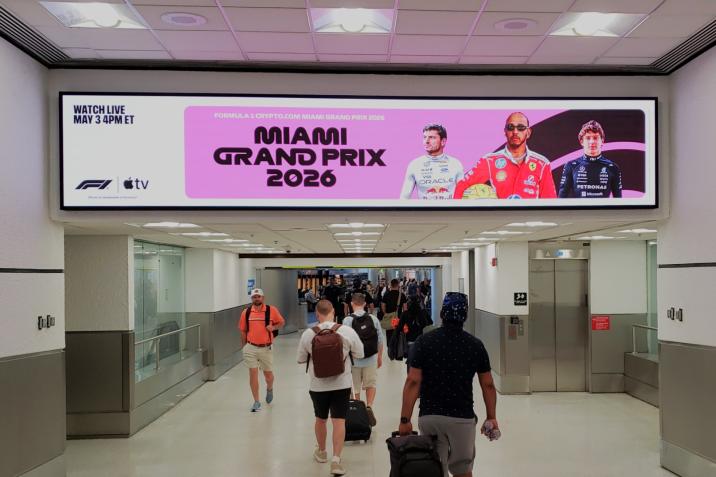
Research consistently highlights the value of tailored ad experiences, with data finding that viewers report 2x more engagement when ads are contextually relevant resulting in higher recall. Travelers are often in a heightened state of alertness and discovery-mode, making them more receptive to messaging that aligns with their destination's purpose. When a fan traveling for a race sees a premium watch or tech brand associated with that event, it boosts brand trust and memorability.
Capturing the Influx and The Power of Strategic Proximity
Perhaps the most telling sign of the Miami Grand Prix’s influence is the participation of brands with no direct ties to the race. Companies like Dyson, Clerk That, and OpenAI recognized the high concentration of Gen Z consumers, tech innovators, and beauty experts passing through MIA and made the strategic choice to leverage JCDecaux’s digital portfolio. Even without a presence at the track, these brands successfully tapped into the event’s influence, reaching a high-value demographic of decision-makers and trendsetters during a high-intent travel period. The appeal lies in the sheer scale of the audience: in 2026, the event drew a record-breaking 275,000 spectators to the Miami International Autodrome.
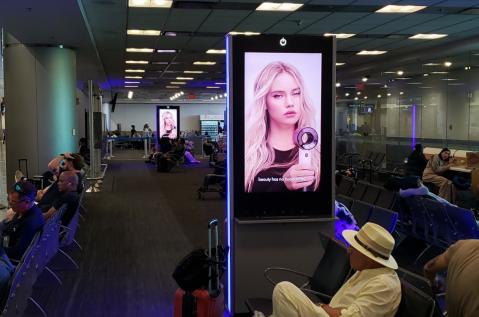
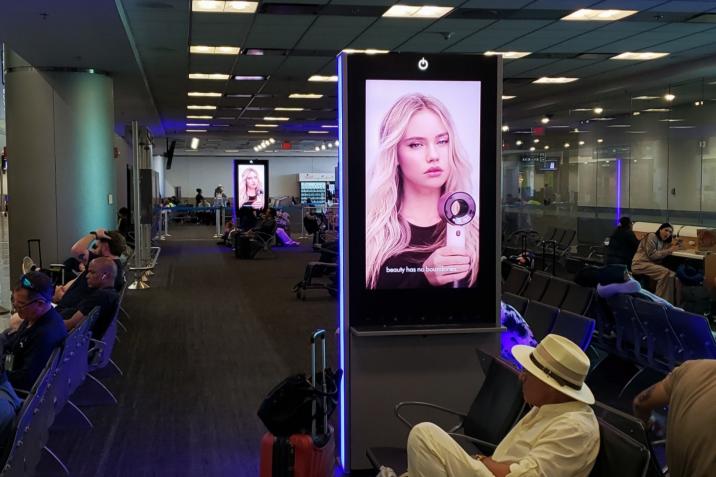
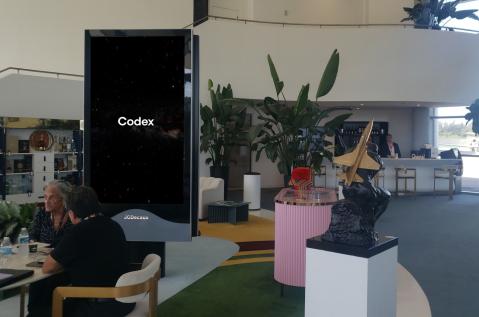
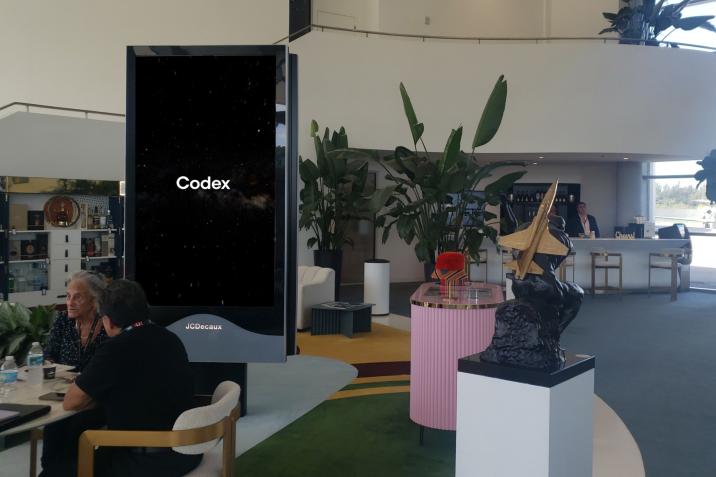
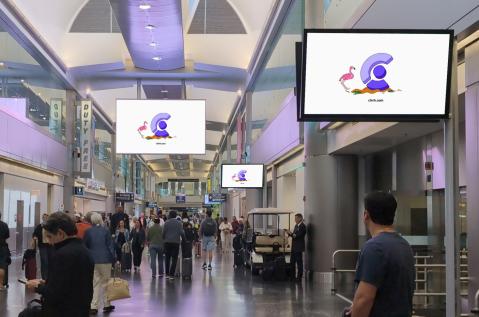
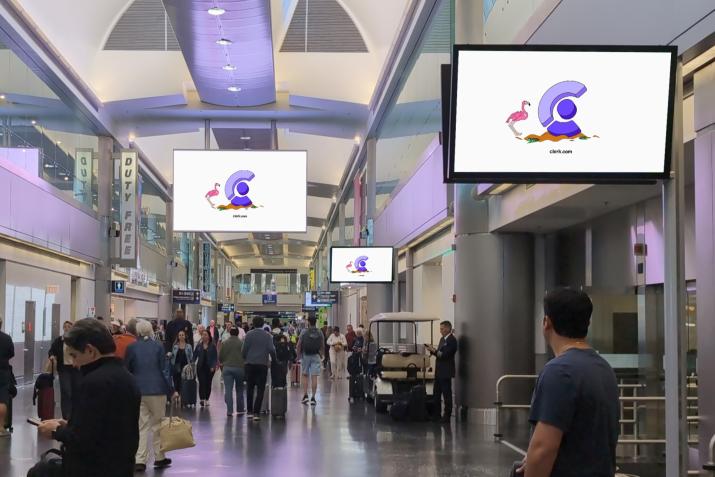
By positioning themselves at the airport, these brands successfully tapped into the event’s massive economic engine, which generates an estimated $550 million in local economic impact annually. With the average F1 tourist spending nearly double that of a typical Miami visitor, the airport serves as the primary gateway to a high-intent audience. Reaching these travelers during this peak period allows brands to “borrow” the prestige of the Grand Prix, establishing a seamless, premium association.
Reaching the Top 1% via Private Aviation
While the MIA terminals are buzzed with energy, the most exclusive segment of the weekend’s audience arrived via private aviation. Brands such as OpenAI, IBM, and TAG Heuer extended their reach to the hardest-to-access individuals—founders, investors, and prominent international families—by positioning themselves within Miami’s premier private aviation terminals.
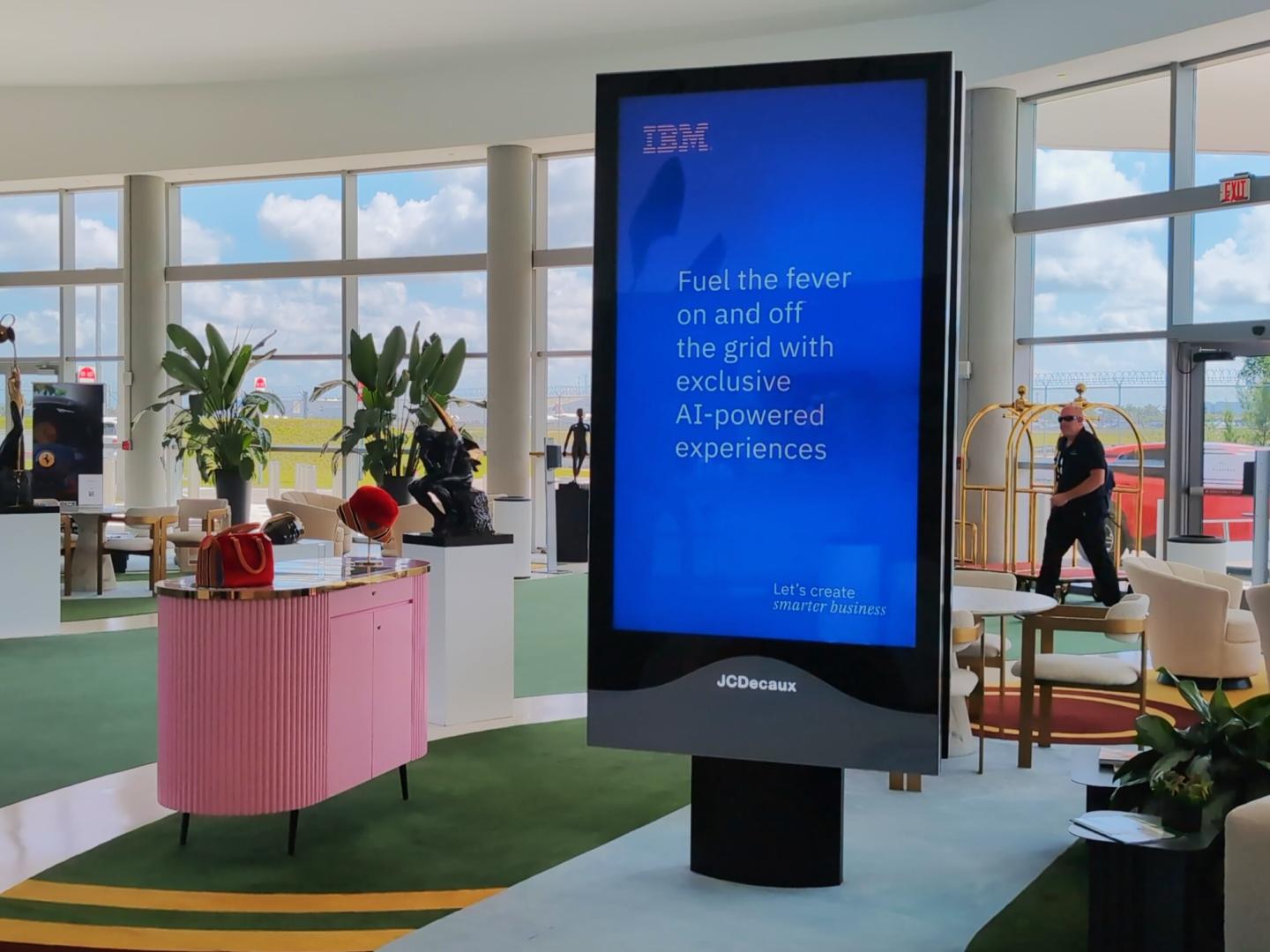
The Miami Grand Prix has solidified its status as a cultural phenomenon, attracting a global elite that includes everyone from tech titans like Jeff Bezos and Elon Musk to cultural icons like Timothee Chalamet, Rihanna, and the Williams sisters. By partnering with JCDecaux at Miami-Opa Locka and Embassair, brands inserted themselves into the luxurious landscape of private travel.
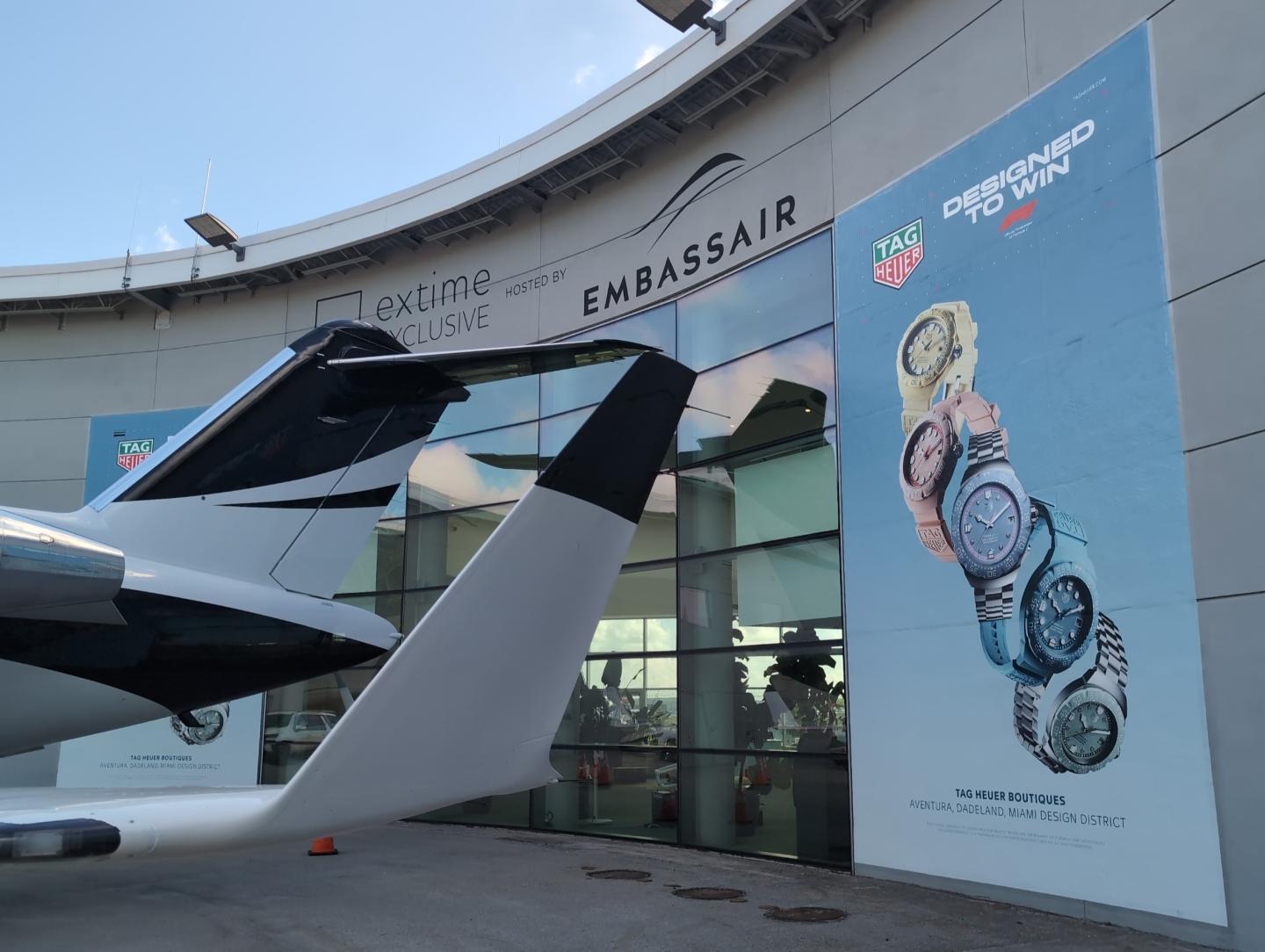
Private aviation serves as a silent but powerful engine for reaching high-net-worth individuals in an impactful way. In these elite terminals, advertising is viewed not as an interruption, but as a part of the premium travel experience, offering unmatched visibility among the world's most influential people. Spanning 44 terminals in 9 of the country’s top DMAs, JCDecaux’s private airport portfolio positions brands in front of the most elite audiences at the most precise moments.
Looking Ahead: The World Stage Moves to the US
The success of the Miami Grand Prix is a blueprint for what lies ahead as the United States prepares to host the world’s most-watched event: the FIFA World Cup. With hundreds of millions of fans expected to travel across the country, the competition for consumer attention will be fiercer than ever. For brands looking to make a definitive impact, airport advertising remains the premier, non-intrusive touchpoint to reach a global audience at scale.