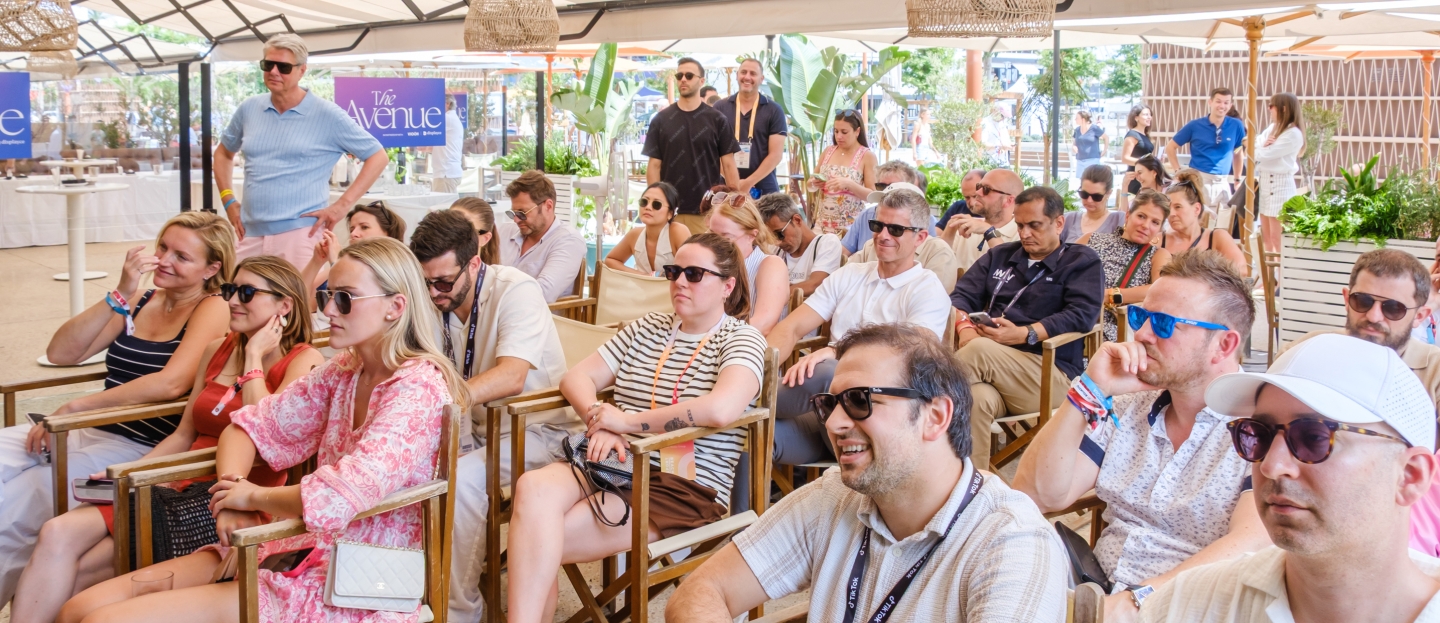
At this year’s GET REAL! WITH JCDECAUX, “Twinning and Winning: Connecting Social Media and DOOH Simultaneously,” explored how the synergy between social media and out-of-home (OOH) is redefining engagement and elevating campaigns far beyond their original formats.
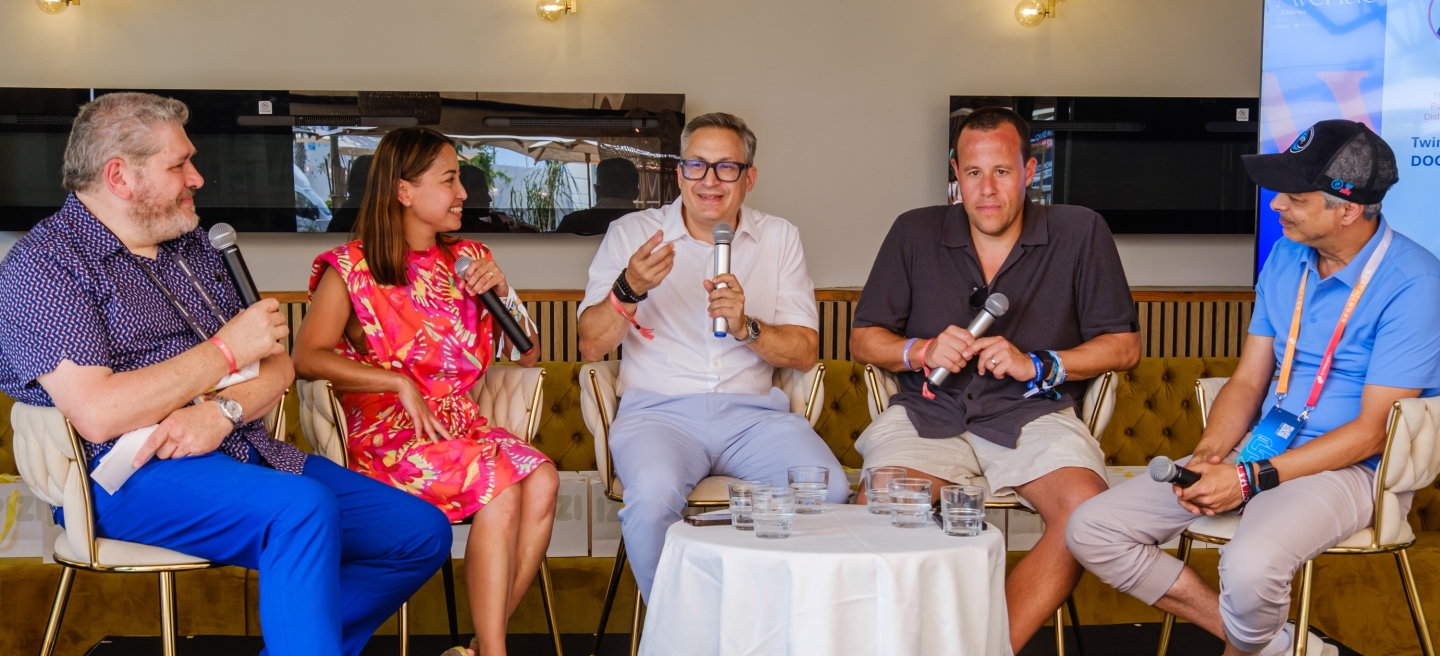
The discussion focused on the rapidly blurring line between digital and physical media and what it takes to make that integration work, bringing together voices from TikTok, L’Oréal, Quan Media, and DIVE
From Siloed
to Synergized
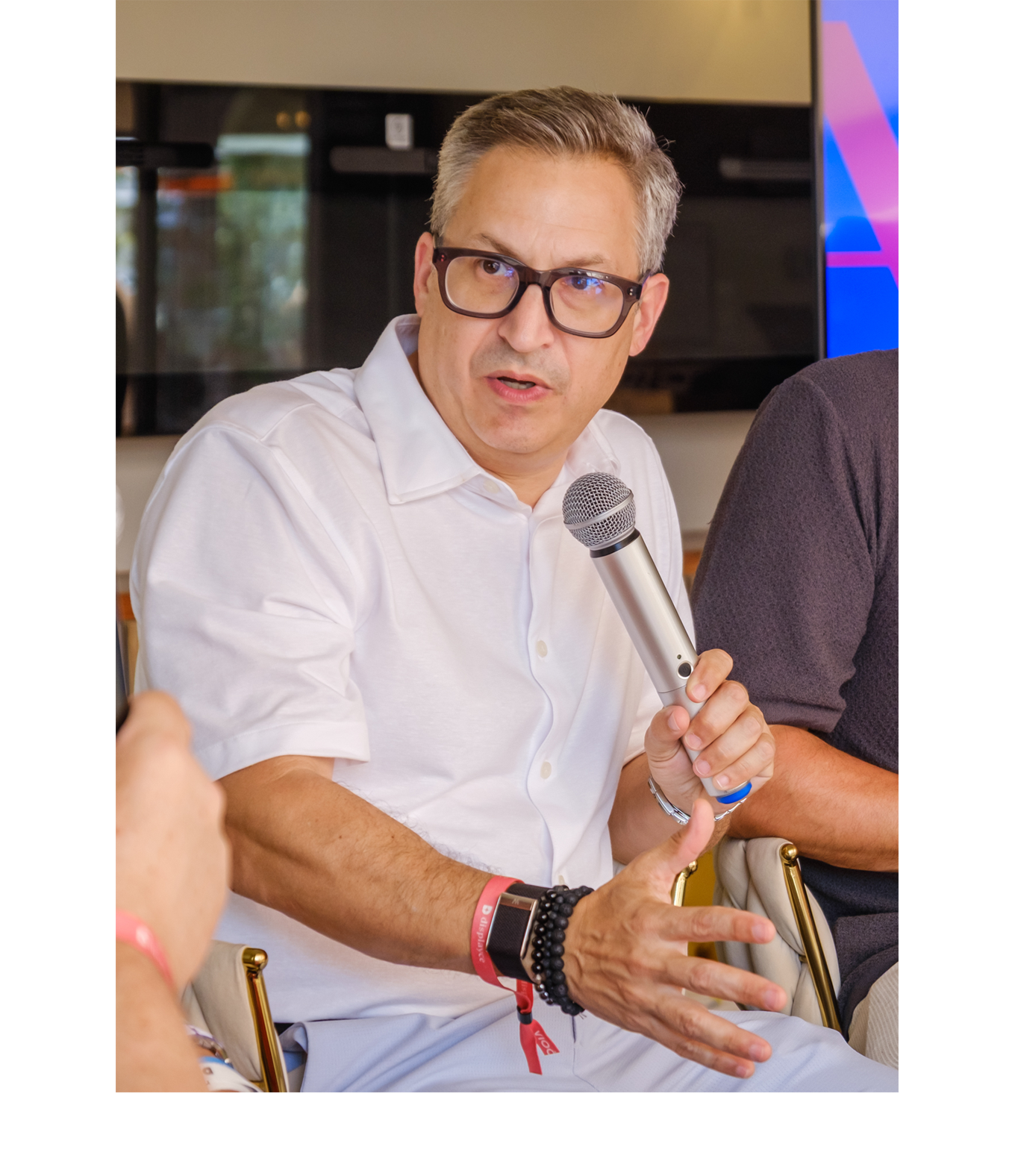
TikTok’s Dan Page opened with the platform’s “Out of Phone” initiative, an effort to bring creators and content from mobile screens to the world’s largest stages, including Times Square. The goal is simple: extend TikTok-native storytelling into real-life environments that feel just as immediate and engaging.
Dan PagePeople don’t live at home anymore—they live on their phones. But what happens when you bring that phone to Times Square?
TikTok
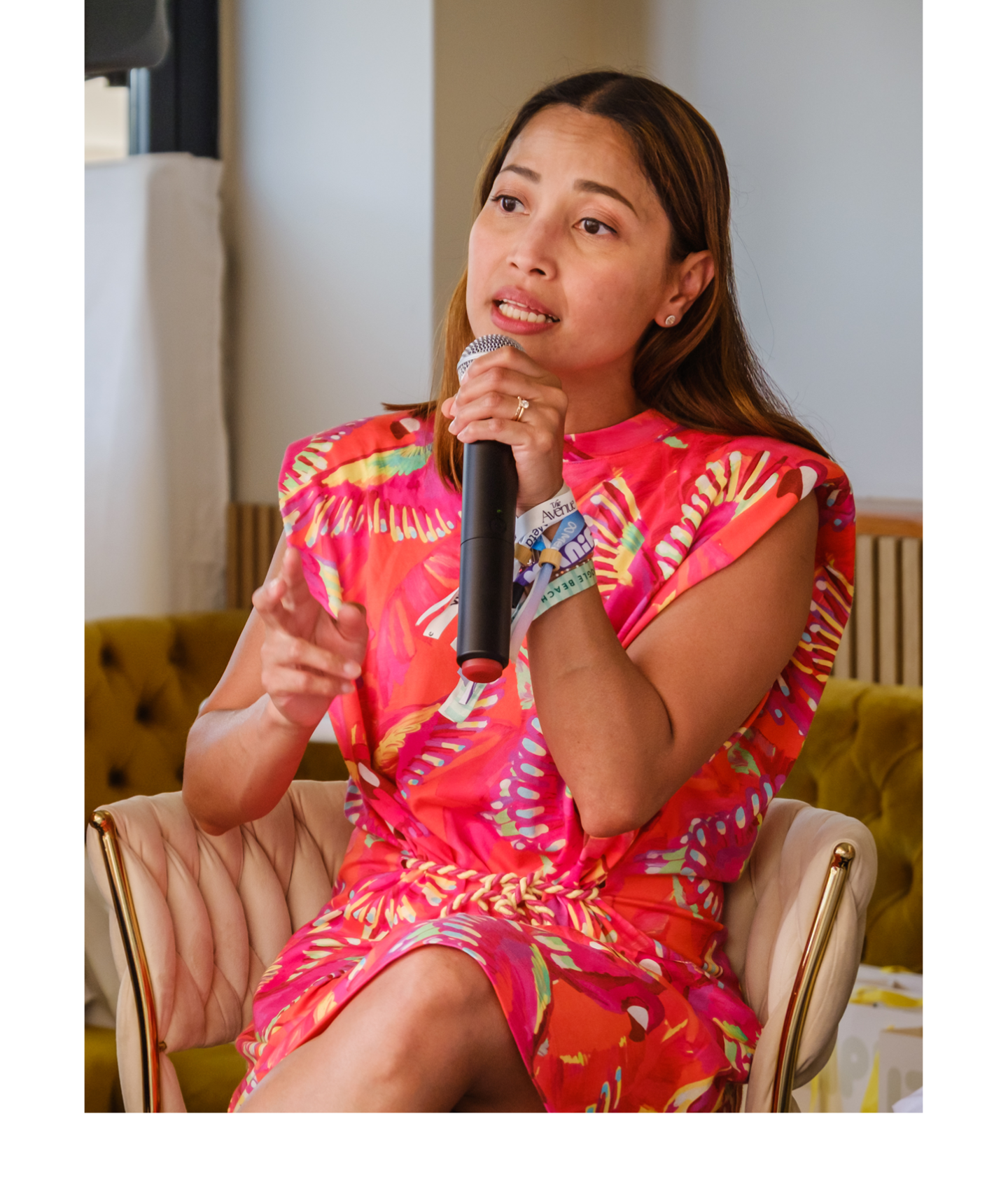
Karla Velez of L’Oréal emphasized a strategic duality she called the “dual muscle”—balancing creativity and technology to reach consumers wherever they are. By translating storytelling from platforms like TikTok to large-scale OOH formats, L’Oréal is creating immersive moments that feel native to both.
Karla VelezNothing is siloed anymore. One creative idea must translate across multiple screens—big and small.
L’Oréal
OOH as a Social Catalyst
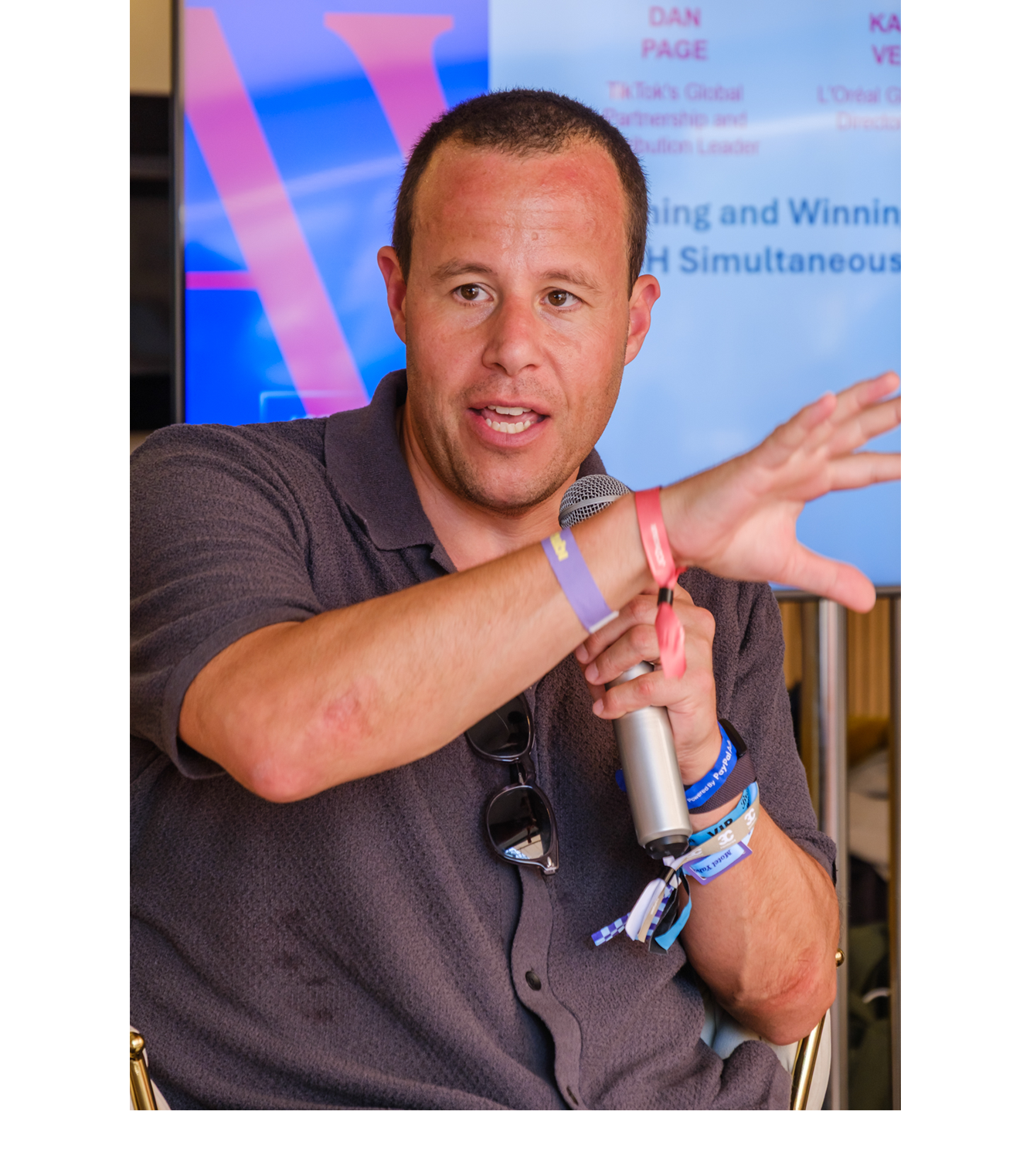
OOH today is more than just reach; it’s a launchpad for viral content. Brian Rappaport of Quan Media explained how brands like Skims and Road Beauty design their campaigns to live twice, once in the real world and again across TikTok, Instagram, and beyond.
Brian RappaportIt’s not just a billboard—it’s a social moment in the making.
Quan Media Group
From bus shelters to custom-wrapped trucks, these installations are curated not only for the people who pass by, but also for those who will see them shared online.
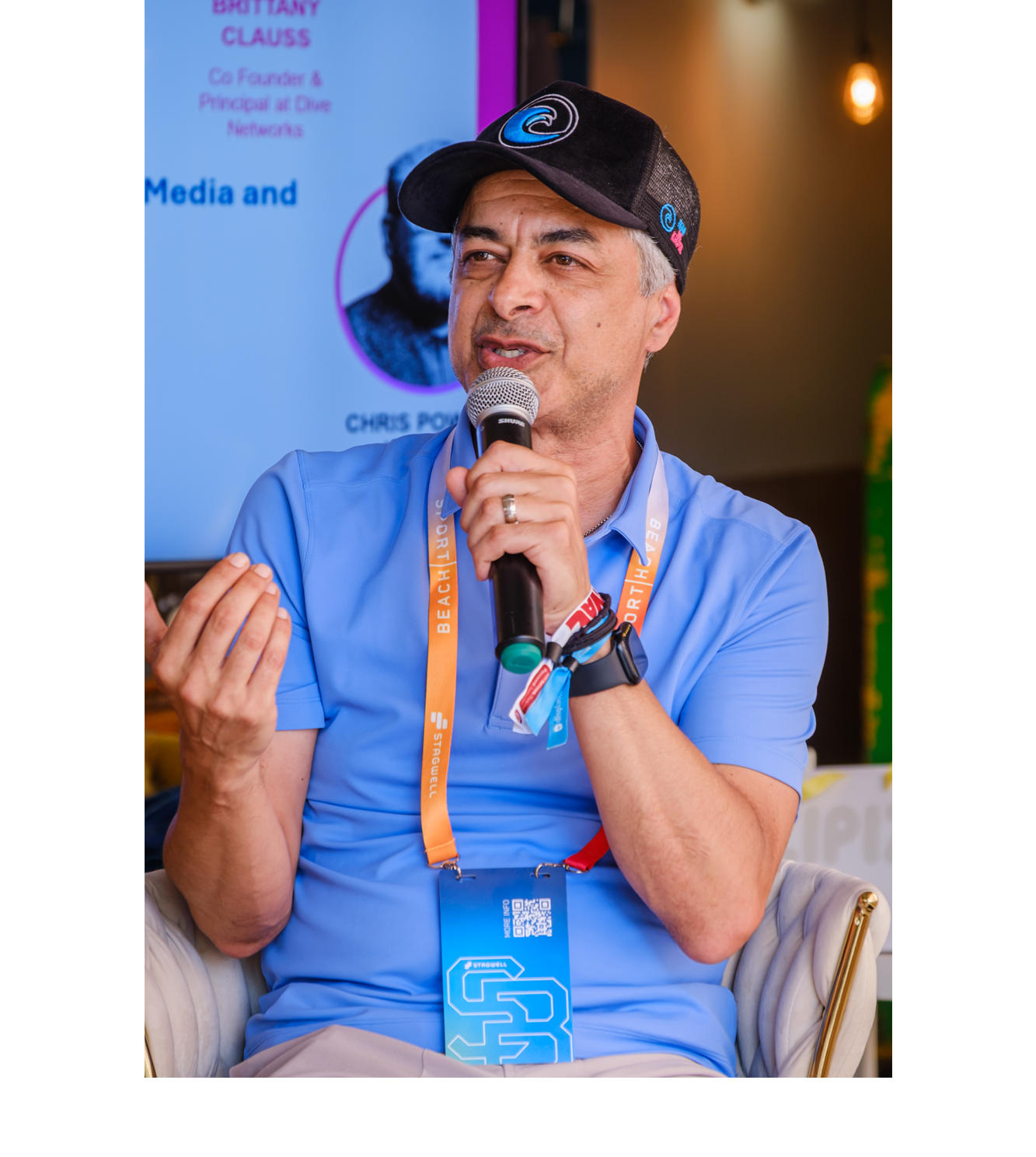
Michael Girgis, co-founder of DIVE, detailed the infrastructure his team has built to enable real-time, moderated, and globally scalable OOH campaigns. His role as the “bread in the sandwich” helps stitch together the content creators, digital platforms, and traditional media channels that make these activations possible.
Challenges and the Path to Harmony
The panelists agreed that while integration is powerful, it isn’t without its friction. Many brand teams still plan budgets separately, dividing resources between OOH, social, experiential, and innovation buckets. This fragmented structure can slow down creative execution and block innovation.
Dan PageIf you want to get creative, budgets have to collapse—or at least stretch across buckets.
TikTok
Karla VelezIt’s not day-to-night transformation. But campaign by campaign, the culture shifts.
L’Oréal
Karla Velez shared that even within a forward-thinking brand like L’Oréal, team integration takes time and cultural change. Collaboration between advocacy, media, and e-commerce is now expected, but still evolving.
Experiential Is Back and Better
The panelists also emphasized how brands are leaning into physical spaces to create memorable, high-impact moments. Whether it’s a crypto brand turning a bus shelter into a Martian landscape or a mobile nail salon appearing in people’s neighborhoods, brands are once again prioritizing in-person engagement.
Brian RappaportExperiential marketing isn’t an add-on. It’s the multiplier.
Quan Media Group
Karla VelezWe need measurement that matches the creativity we’re bringing to the table.
L’Oréal
Measuring the Magic
One of the final challenges raised was measurement. While brands can clearly feel the cultural lift from these hybrid campaigns, the industry still lacks the unified metrics to properly quantify their full impact.