
As spring break and warmer weather approach us, travel intent surges across the U.S., with consumers actively searching flights, resorts, and international destinations. For brands, street and billboard Out of Home (OOH) advertising plays a critical role early in the travel planning journey by eliciting online search activity, sparking inspiration during daily routines, and reinforcing visibility in high-traffic urban corridors.
Travel trends shaping spring and summer plans
Spring break consistently ranks among the busiest leisure travel periods of the year and marks the beginning of the broader spring and summer travel season. U.S. airlines are expecting a record-breaking 2026 season, projecting 171 million passengers between March 1 and April 30, a 4% increase over 2025. Furthermore, the Harris Poll reports that more consumers are open to big-budget vacations, with a vast majority planning to spend either the same (56%) or even more (27%) for vacation travel.
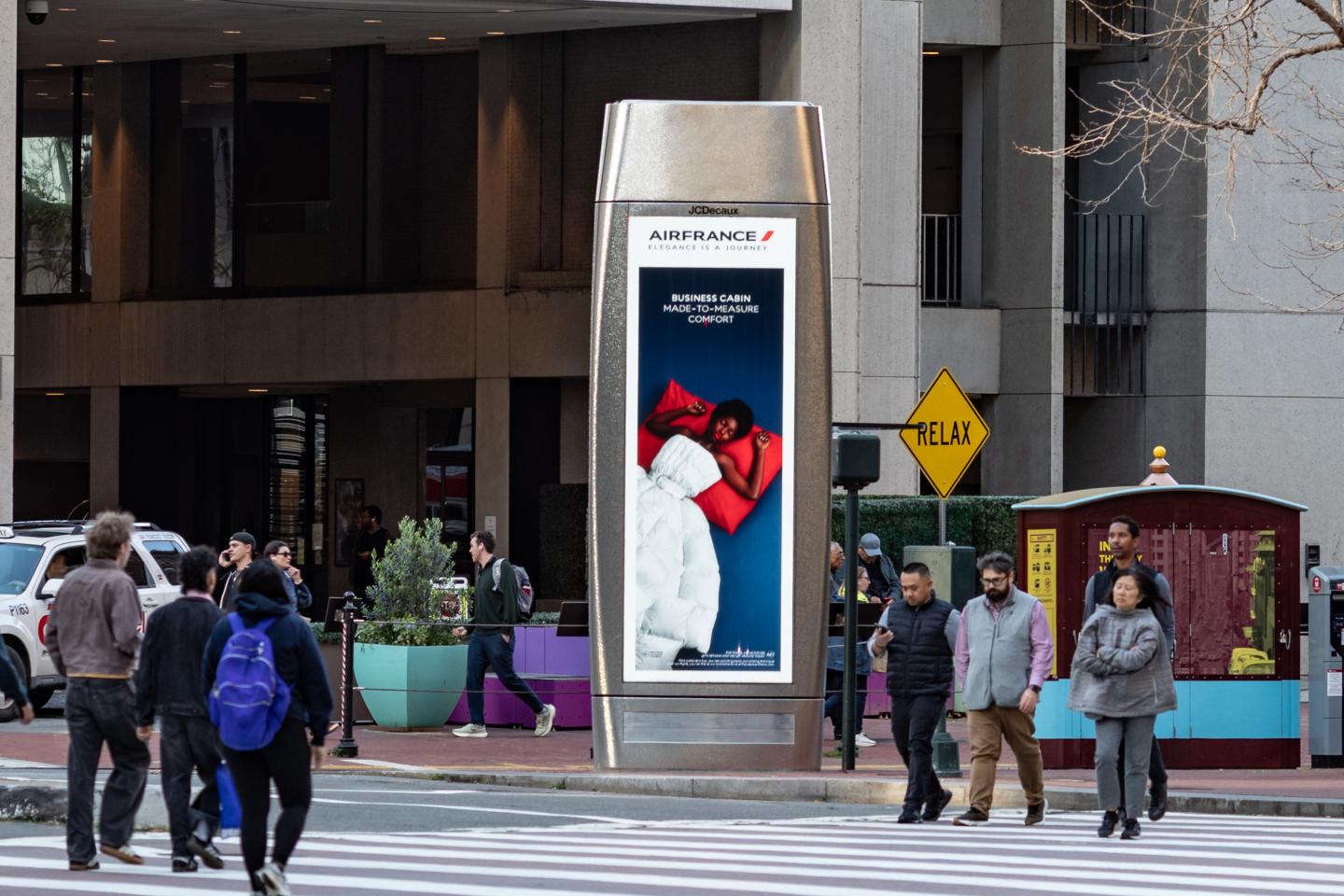 Air France
Seasonal travel demand is not limited to domestic trips. It is also a prime window for global tourism campaigns as consumers begin planning international vacations for later in the year, with 37% of U.S. adults booking international trips in 2026. With this demand, leading airlines, hotels, tourism organizations, and travel booking platforms are leveraging eye-catching creatives to transport audiences beyond their everyday surroundings.
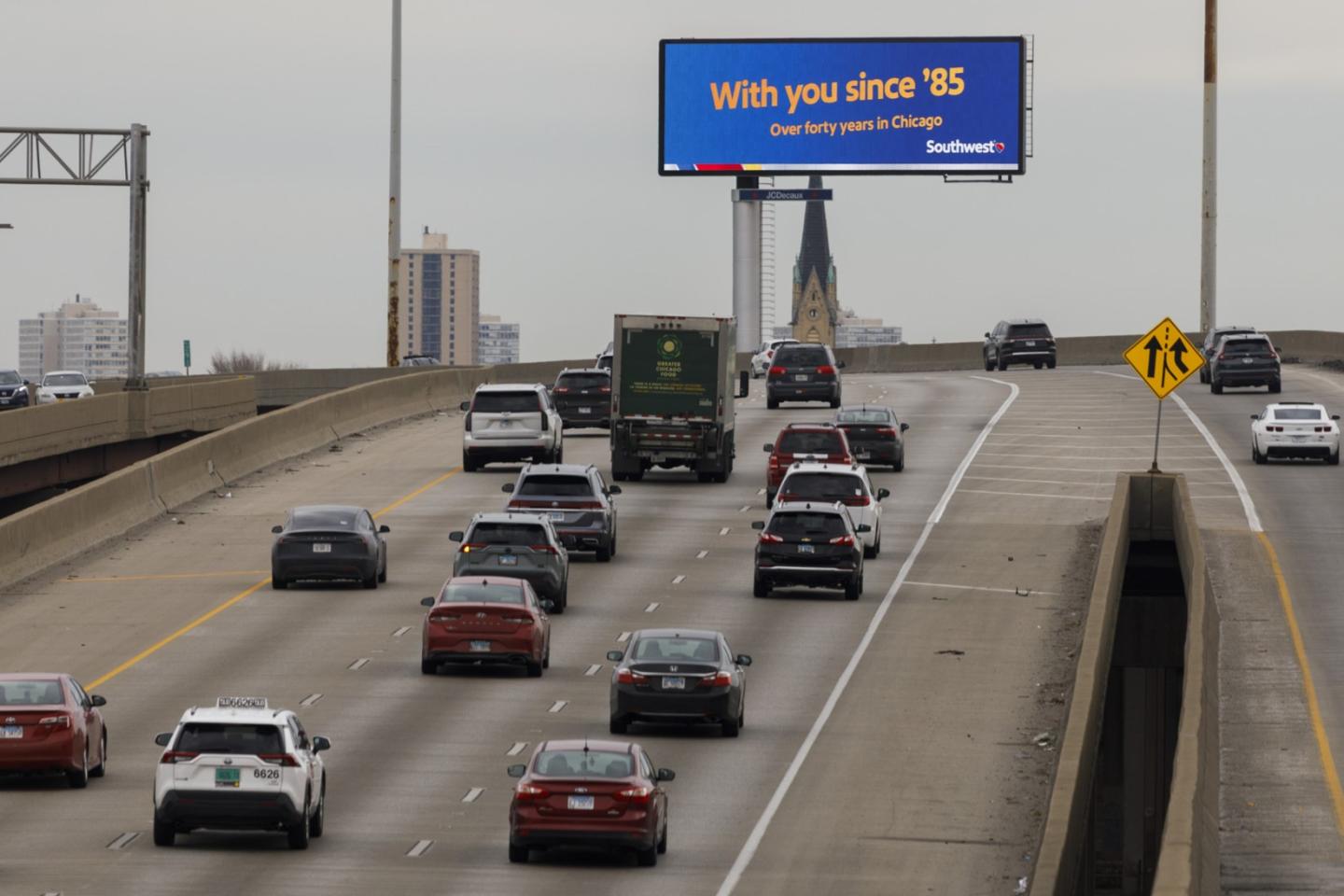 Southwest Airlines
OOH inspires escapism across streets and skylines
Our street and billboard networks appear directly along consumer paths to ensure repeat exposure while reaching travelers across different socioeconomic segments. Low-cost carriers promote affordable routes and fare deals, ensuring visibility for price-conscious travelers, while global carriers and premium airlines use OOH placements to reinforce brand prestige and highlight international destinations.
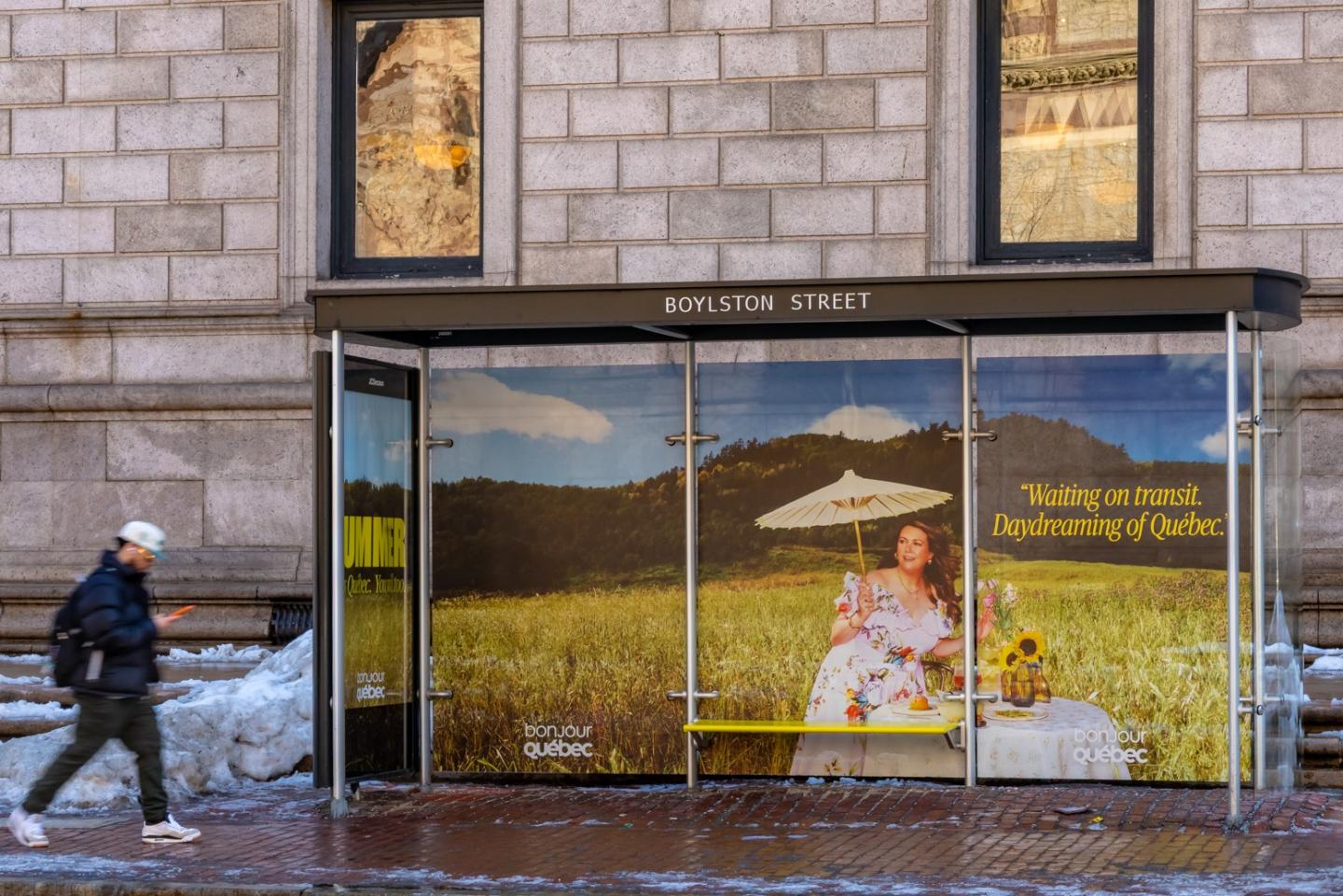 Tourisme Quebec
JCDecaux’s street furniture and billboard networks allow destinations to showcase aspirational experiences where target potential travelers spend their time. Bus shelter wraps particularly allow travel brands to extend their creative across an entire structure, creating a cohesive visual environment that form a “mini billboard” at eye level. In dense urban markets where pedestrian and vehicular traffic is constant, these placements create powerful emotional cues; ad viewers in cold-weather cities like New York City, Chicago, and Boston are uniquely receptive to the promise of a vacation in another part of the world.
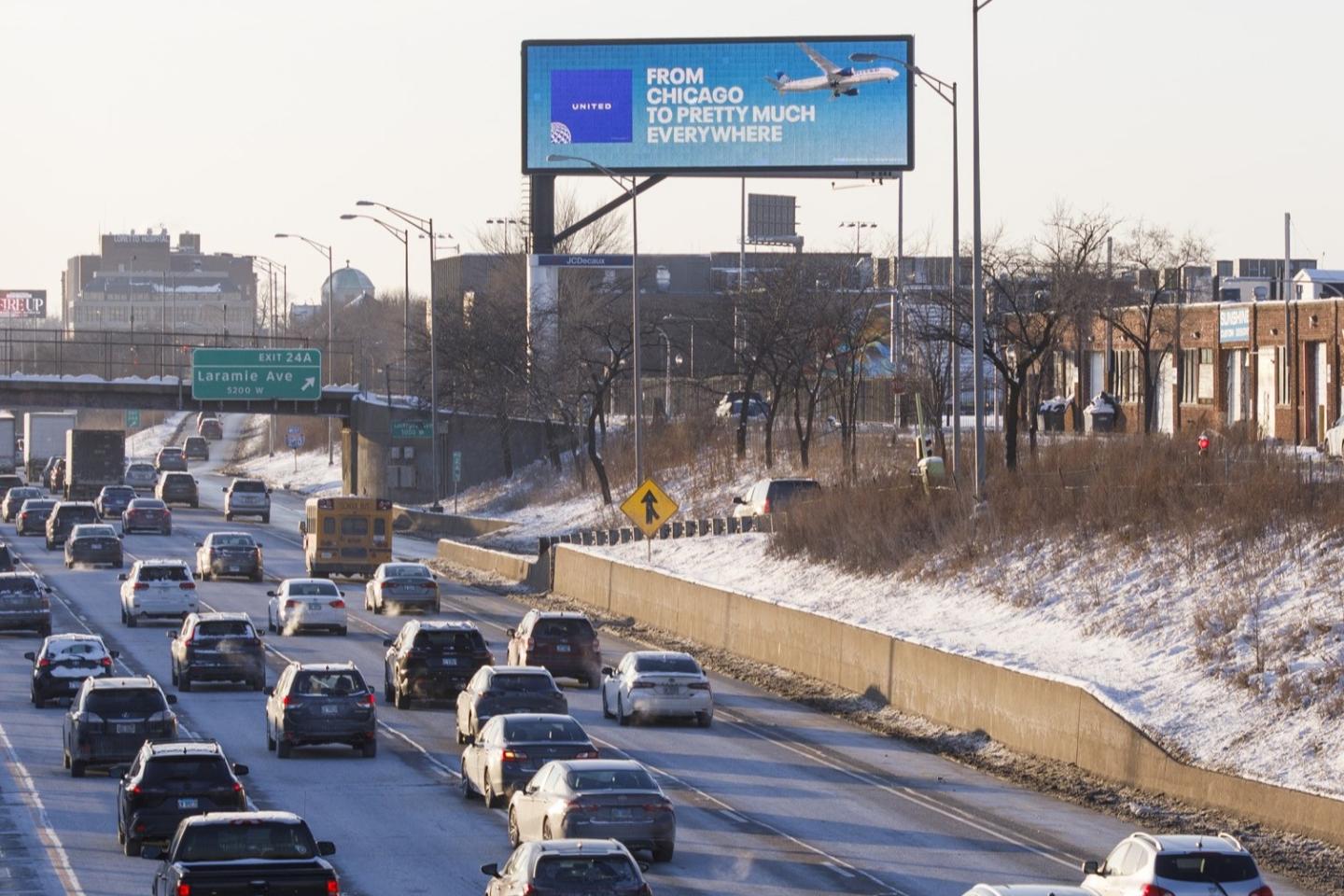 United Airlines
In cities with major aviation hubs, OOH placements can extend along corridors leading to and from airports. For example, in Chicago, digital billboards along expressways connecting downtown to O’Hare and Midway Airports capture travelers during the initial and final stages of their journey, reinforcing airline and destination messaging before departure.
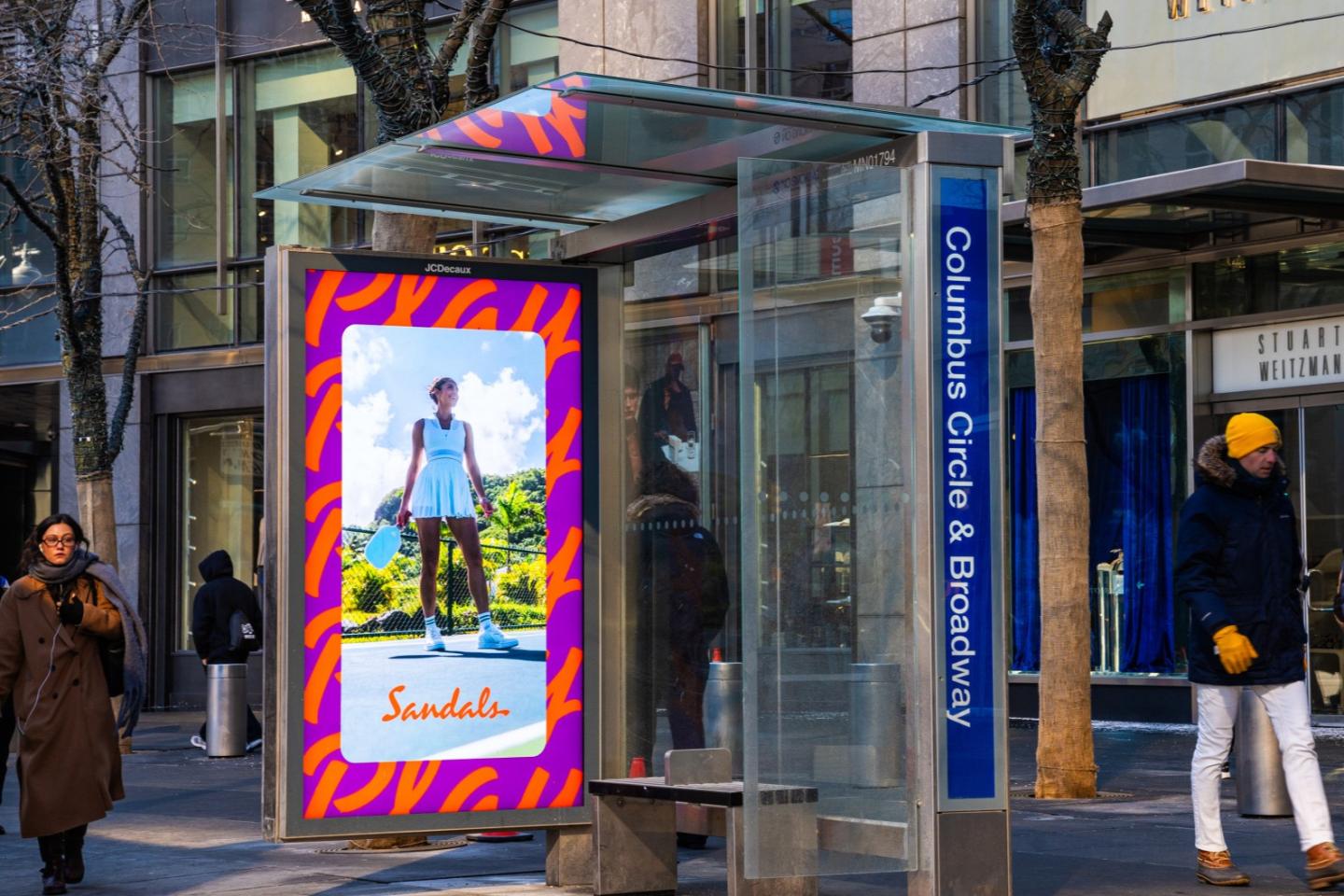 Sandals Resorts
What the research says about travel OOH engagement
Unlike mobile ads that can be skipped or blocked, street furniture integrates seamlessly into city landscapes and can leave a lasting impression on potential travelers. According to The Harris Poll, 87% of U.S. have engaged in some action after being exposed to an OOH travel ad, with 36% looking up the brand online, which is visibility translated into meaningful consideration. OOH advertising is also shaping how people plan their trips, with 66% of consumers reporting that these ads influence where they travel, the activities they want to experience, or the type of lodging they choose.
In a media landscape characterized by digital fatigue and rising online advertising costs, street level OOH provides uninterrupted, premium visibility. As spring and summer travel demand accelerates, the path to purchase often begins before a consumer makes concrete plans. Street furniture and billboards ensure that airlines, resorts, and tourism boards are present at the earliest stages of wanderlust, turning everyday journeys into gateways to global destinations.