
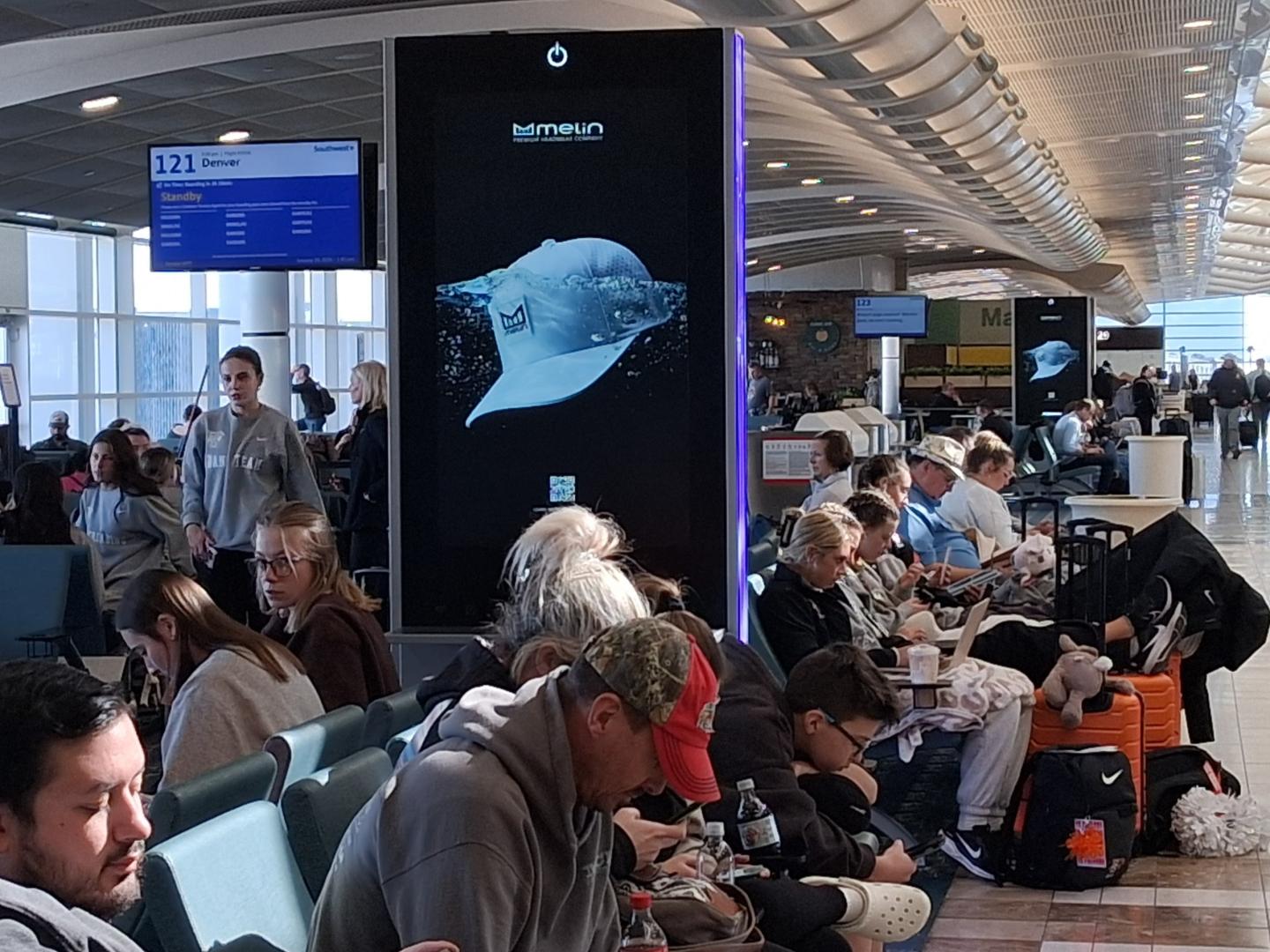
As travelers spend an average of 60 to 90 minutes in "dwell time" past security, their mobile devices become the primary bridge to deeper engagement. This transition occurs naturally as passengers turn to their devices to pass the time, check flight status, or manage travel logistics. Kayak effectively harnessed this by deploying QR-coded creatives across Dallas Fort Worth (DFW) and Los Angeles (LAX) international airports, turning a passing glance into a direct booking opportunity. Similarly, performance headwear brand Melin utilized the premium environment of Orlando International (MCO) to showcase their waterproof "Alohat" line. By integrating a QR code, Melin allowed travelers to instantly explore the product’s technical features and purchase online while waiting for their flight.
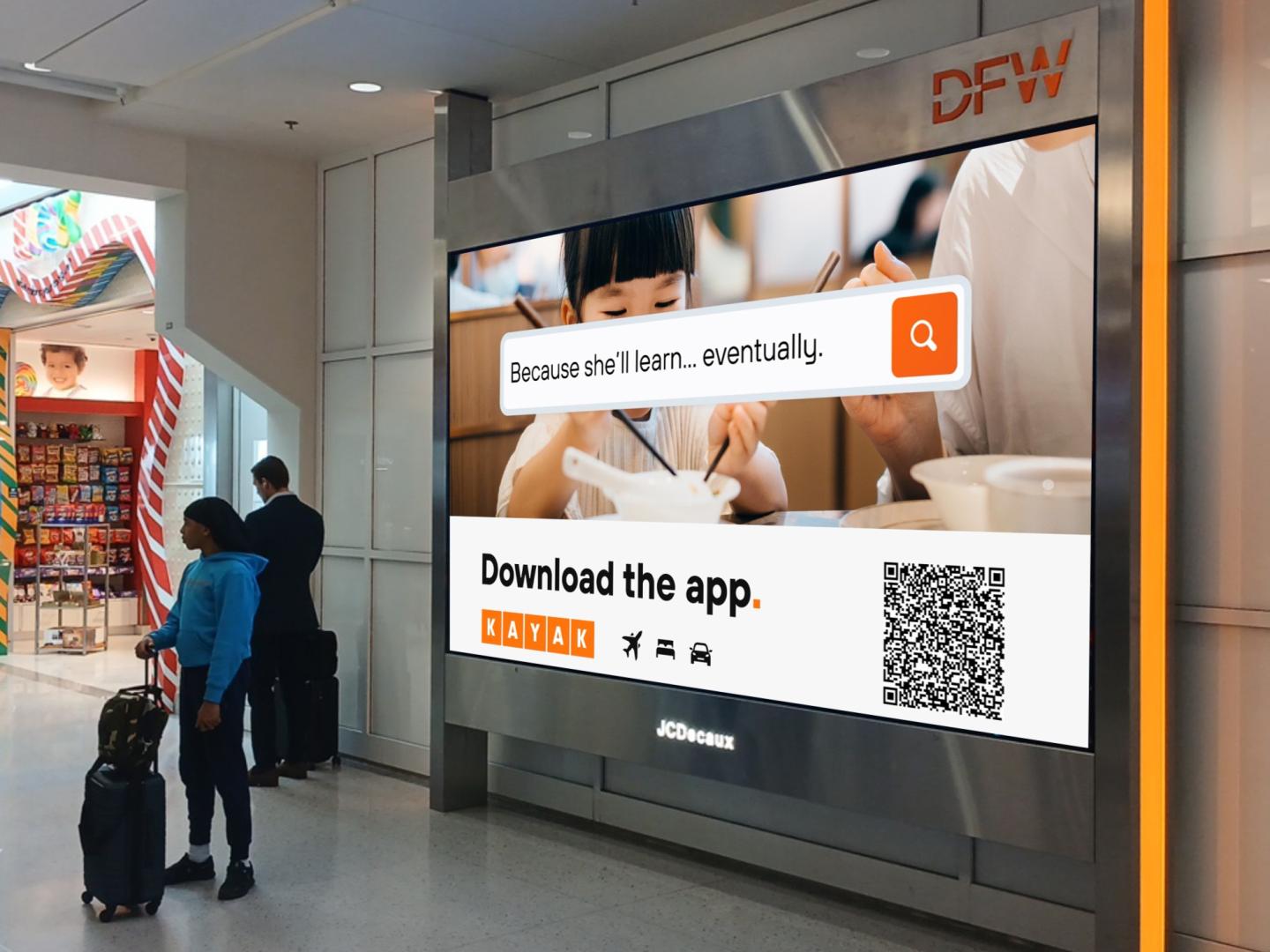
The effectiveness of this "scan-to-act" model is backed by a 323% surge in QR code usage in the U.S. over recent years. In the airport specifically, a Nielsen study confirmed that nearly 45% of travelers report engaging with a QR code in a single month. For advertisers, this provides a dual benefit; it offers the consumer a seamless path to purchase and provides the brand with real-time, measurable data.
Driving Digital Traffic Through Premium OOH
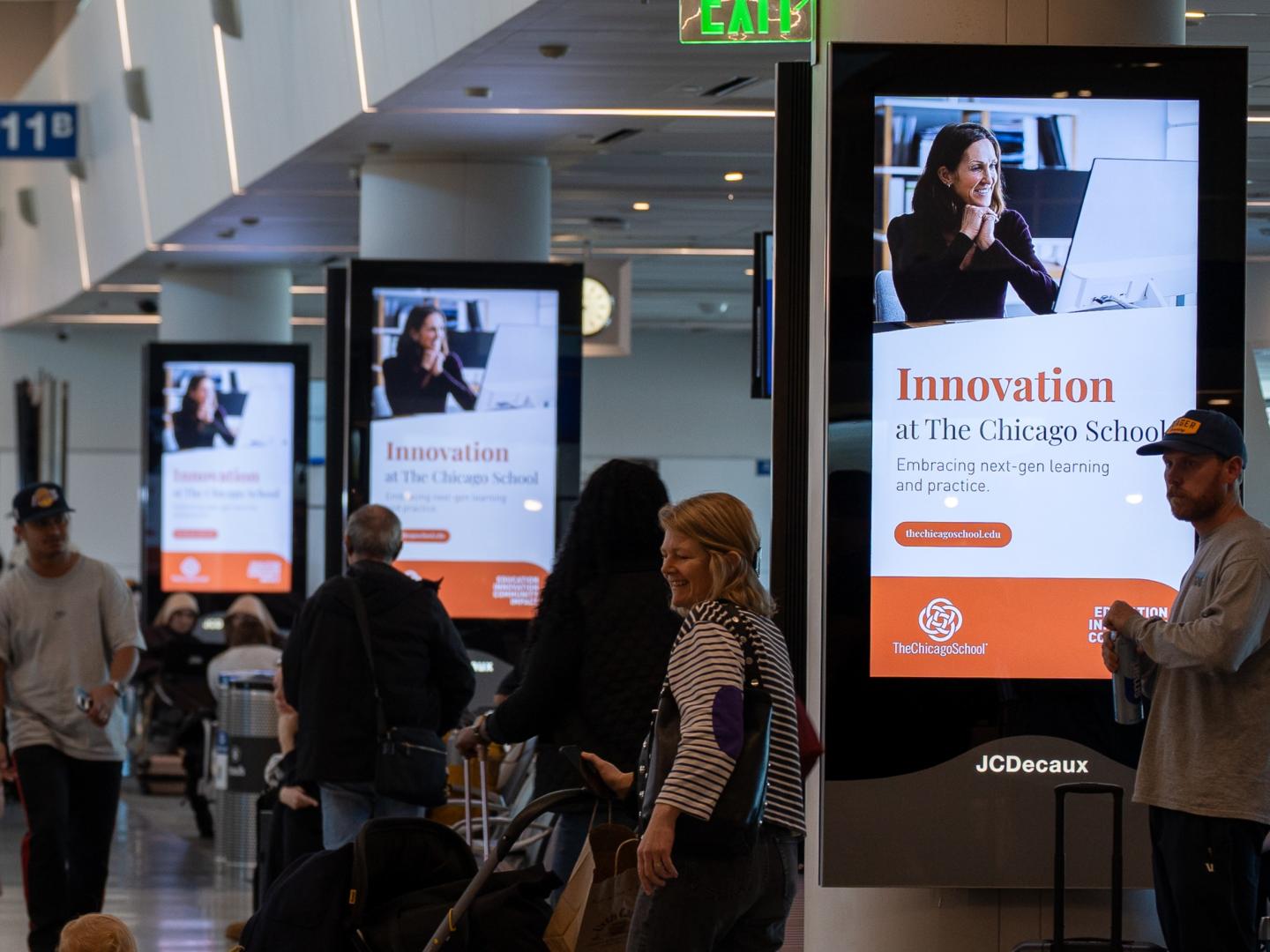
While the airport is a physical space, its influence on a brand’s digital footprint is profound. The Tennessee Department of Tourism demonstrated this at MCO, utilizing large-format displays to showcase their official website as a central CTA for vacation planning. Similarly, The Community Solution Education System targeted the diverse, affluent audience at LAX by highlighting their university system’s portal, positioning education as a reachable goal for the global professional on the move.
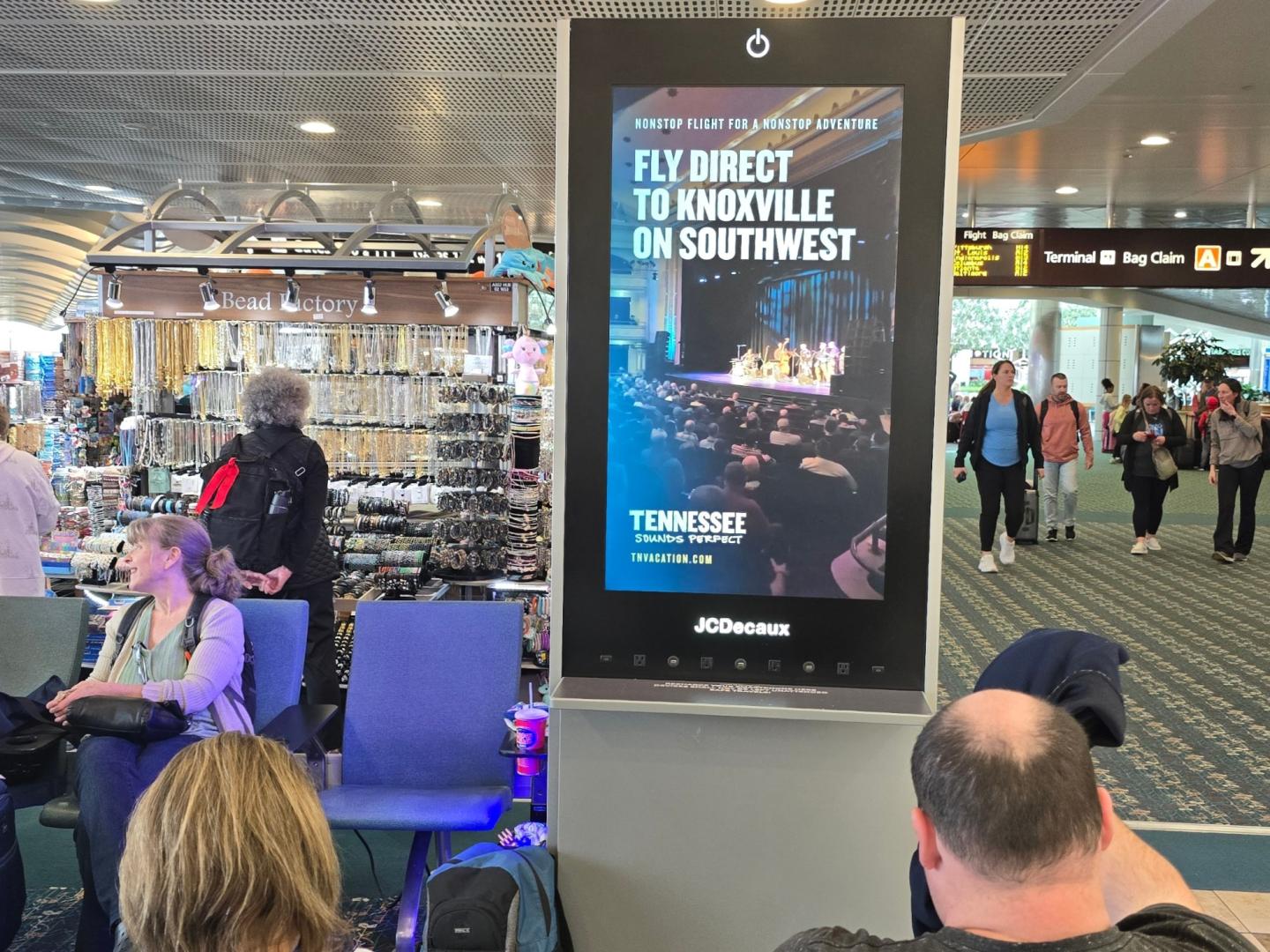
Research supports this digital lift, with a 2025 Nielsen study proving that 53% of frequent flyers are prompted to visit a website after seeing an airport advertisement. By placing a URL front and center in a premium, high-trust environment, brands can see a significant uplift in organic traffic. In fact, OOH advertising can boost a campaign's digital reach by over 300% proving that the journey to a brand’s website often begins at the terminal.
The Strategy of Directional Messaging
From check-in to takeoff, air travel is a time-sensitive activity, making timing and location the ultimate currencies for brands. Auntie Anne’s recently leveraged this by showcasing their creative with a hyper-local twist by providing travelers with specific directions to the nearest storefront, including exact gate locations. This tactical use of wayfinding as a CTA transforms a standard brand impression into a functional service. By reducing the "search friction" for a hungry traveler, brands can capitalize on the high-intent mindset unique to airport terminals.
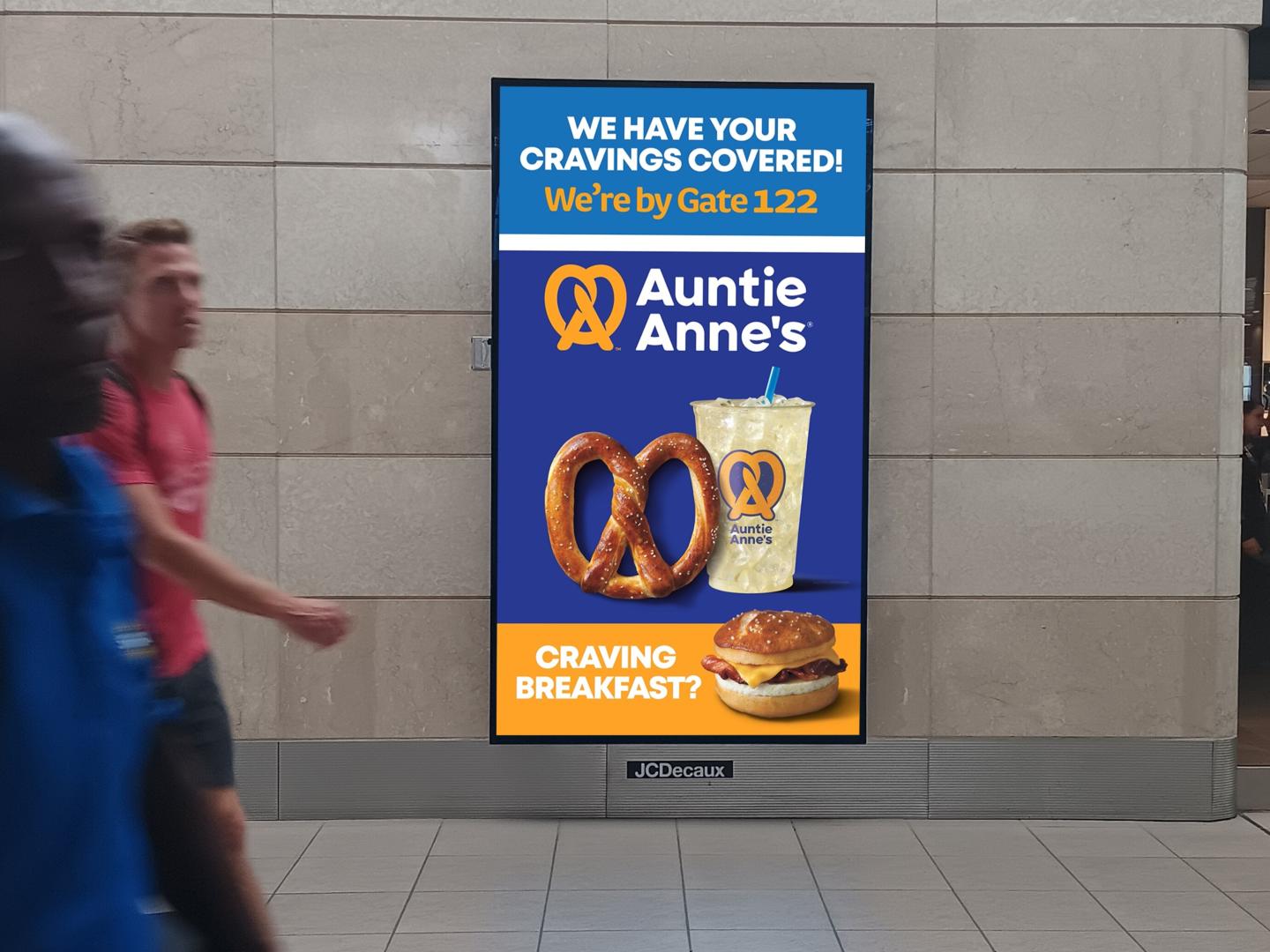
Data indicates that contextual advertising messaging that reflects the viewer's immediate surroundings can increase brand relevance by up to 32%. Furthermore, OAAA data shows that 76% of viewers take action after seeing a digital out-of-home ad, with 36% specifically choosing to visit a restaurant or retail location immediately after exposure. For brands like Auntie Anne’s, being "just around the corner" isn't just a benefit, it’s a conversion strategy.