
Oversized roadside signs are a hallmark of out-of-home advertising, offering high visibility and mass reach; airport exteriors take this one step further, providing the same benefits in a premium environment with access to a highly valuable consumer base. Advertisers across a wide variety of industries are leveraging JCDecaux’s large format placements at airports across the country, elevating their brand perception with millions of travelers.
The Airport’s Desirable Audiences
Compared with the general population, air passengers skew higher on income, education, and purchasing power, making them a prized audience for marketers. Throughout key touchpoints at the airport, airport advertising offers brands access to these consumers in a high-dwell time environment- but one placement type stands out. Large format exterior advertising acts as an ambassadorial moment- inviting travelers to the airport at the start of their journey, connecting with rideshare drivers and locals on nearby roadways, and welcoming passengers at the gateways to their final destinations.
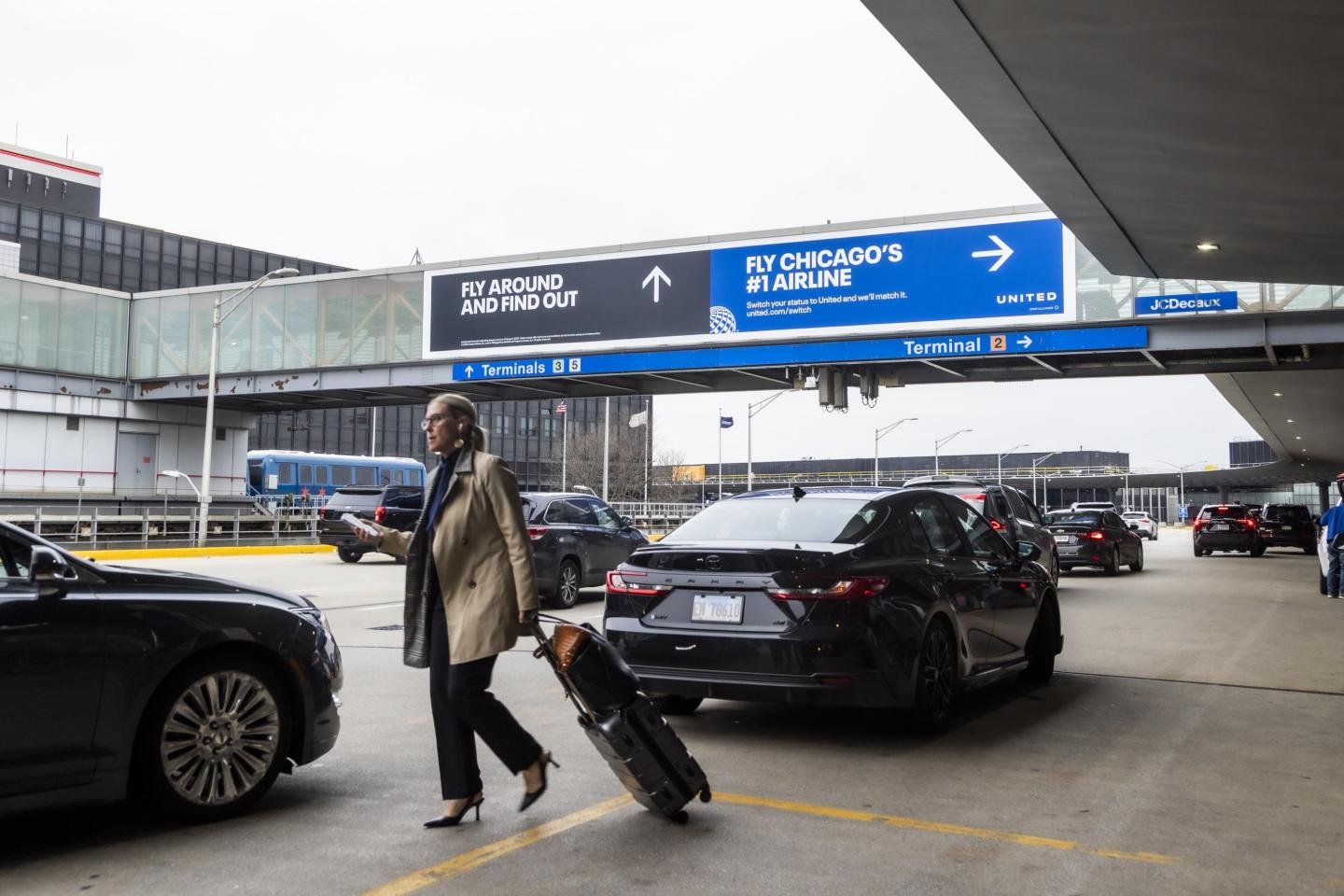
Airlines themselves have recognized the branding opportunity that airport exteriors provide. United’s advertising on the exterior at Chicago O’Hare serves as a case in point. By owning prominent exterior positions at one of its most important hubs, the airline reinforces its leadership and reliability at the exact moment travelers are engaging with the airport. The repeated exposure as passengers arrive, depart, or wait at the curb helps tighten the association between the brand and the airport environment, creating a halo effect that extends beyond the immediate trip.
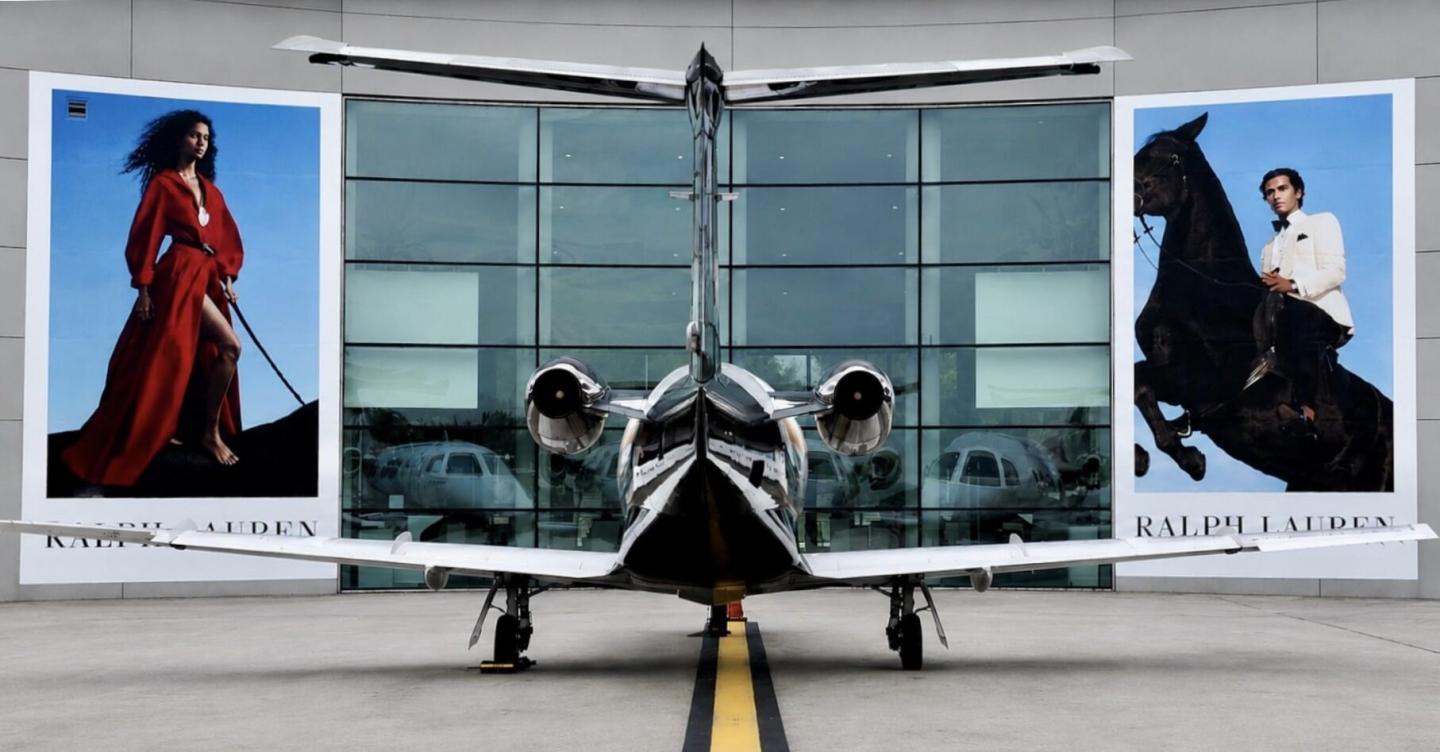
If commercial air travel delivers an affluent, influential audience, private aviation takes advertisers a step further into audience targeting. Private jet passengers tend to be C‑suite executives, investors, entrepreneurs, celebrities, and high‑net‑worth individuals whose decisions shape major spending across finance, luxury goods, real estate, and more. For brands targeting this elite segment, private aviation terminals present a rare, concentrated opportunity. JCDecaux’s exterior placements at these terminals bring the drama and impact of large‑format OOH right to the tarmac in an environment with very little advertising clutter, making an impact with these hard-to-reach individuals.
Influencing Behaviors: Rideshare and Local Visitation
Airport exterior advertising doesn’t just reach travelers; it also shapes their decisions. The rise of app‑based mobility has transformed curbside zones and pickup areas into some of the most valuable real estate in the airport ecosystem. As travelers step outside, open their phones, and decide how to get into the city, large‑format signage can directly influence which platform they choose.

Lyft’s advertising on exterior columns near the rideshare area at Los Angeles International Airport underscores this dynamic. Positioned within sightlines of passengers as they wait for their cars, the campaign ensures that Lyft’s branding is unavoidable at the very moment travelers are making transport decisions. In an environment where the path from exposure to action can be a matter of seconds, being the first brand in mind is crucial- making this placement invaluable.
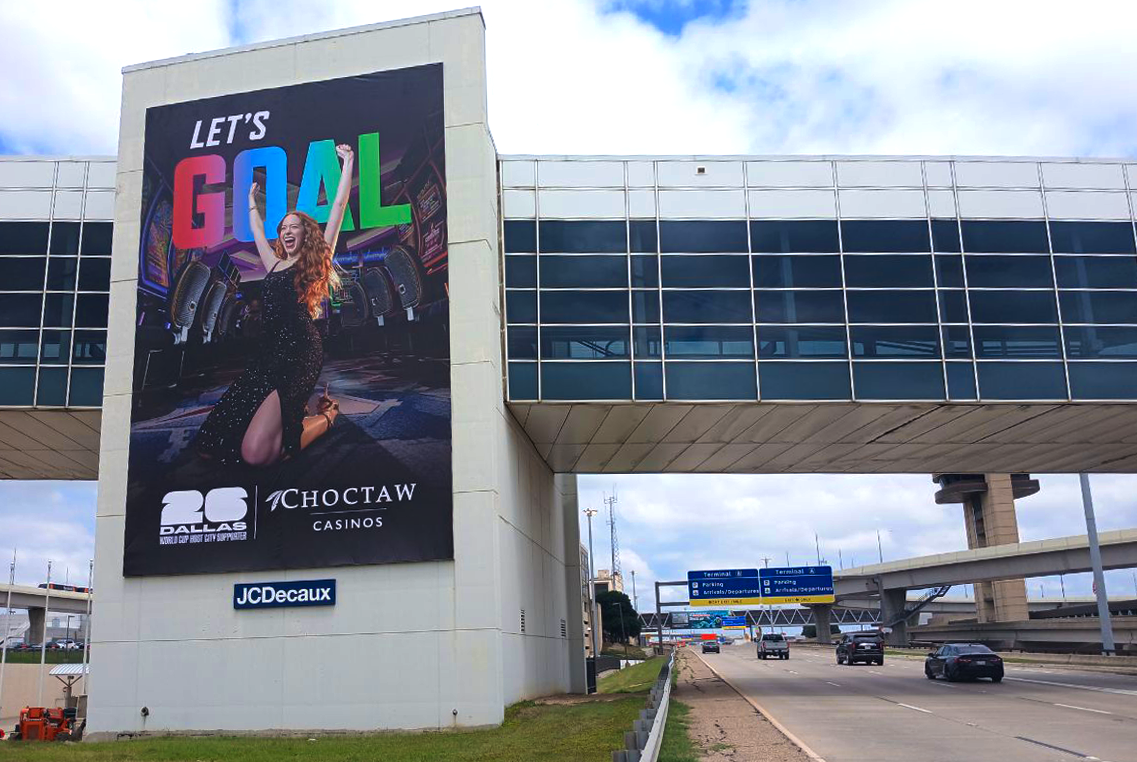
Local and regional advertisers are also recognizing the role that airport exteriors can play in directing tourism spend. For many visitors, the airport is their first contact with a new city, and their initial impressions can shape how and where they choose to spend their time and money. Choctaw Casino’s exterior presence at Dallas Fort Worth International Airport exemplifies this trend. By greeting visitors as they arrive in the metroplex, the brand positions itself as a must‑visit destination before travelers have even left the airport grounds.
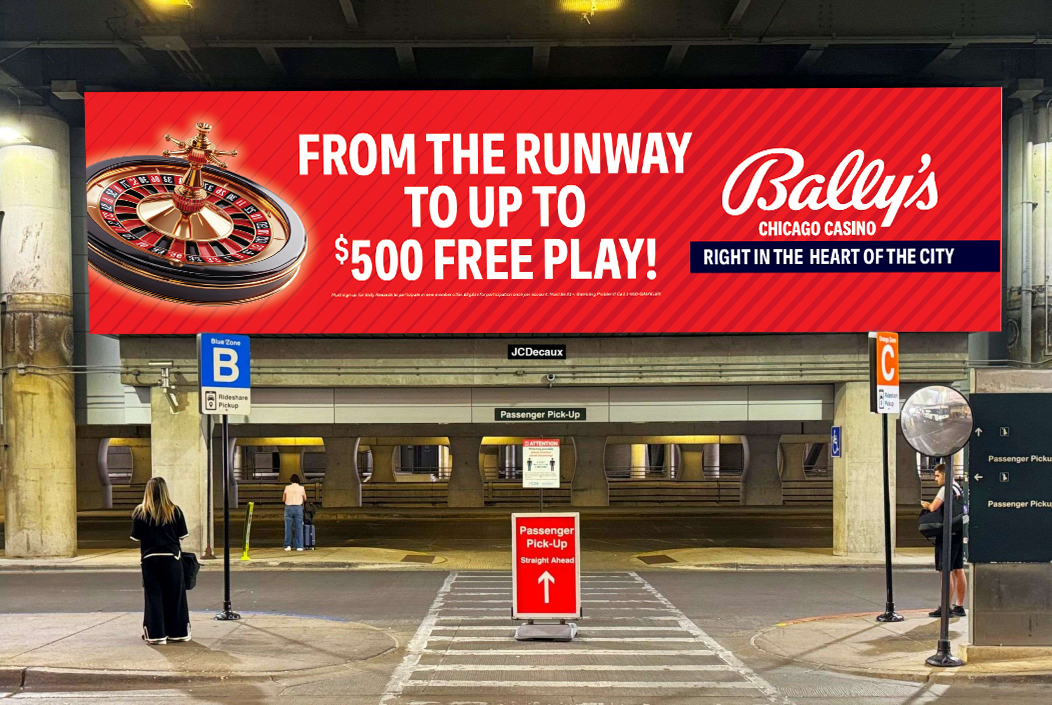
A similar strategy is being deployed by Bally’s at Chicago Midway. With this new campaign, the brand is officially the first advertiser to occupy JCDecaux’s newest exterior airport placement. By claiming these highly visible placements early, Bally’s aims to anchor itself in the minds of both inbound tourists looking for entertainment and local travelers who pass through Midway frequently. The effect is twofold: an immediate call‑to‑action for visitors planning their itineraries and a steady reinforcement of brand familiarity among residents.
Peak Visitation: Summer Travelers and Sports Fans
The value of airport exteriors intensifies during peak travel periods, when passenger volumes surge and the energy in terminals and curbside areas is at its highest. Summer has long been one of the busiest seasons for air travel in the United States, driven by school holidays, leisure trips, and major events. For summer 2026, all signs point to an especially active season. According to Numerator’s “On the Road Again: Summer Vacation 2026 Travel Plans,” 78% of Americans say they plan to take a summer vacation, up sharply from the 61% who reported traveling in 2025. That jump in intent suggests heavier use of airports nationwide and a corresponding increase in impressions for advertisers making use of these environments.
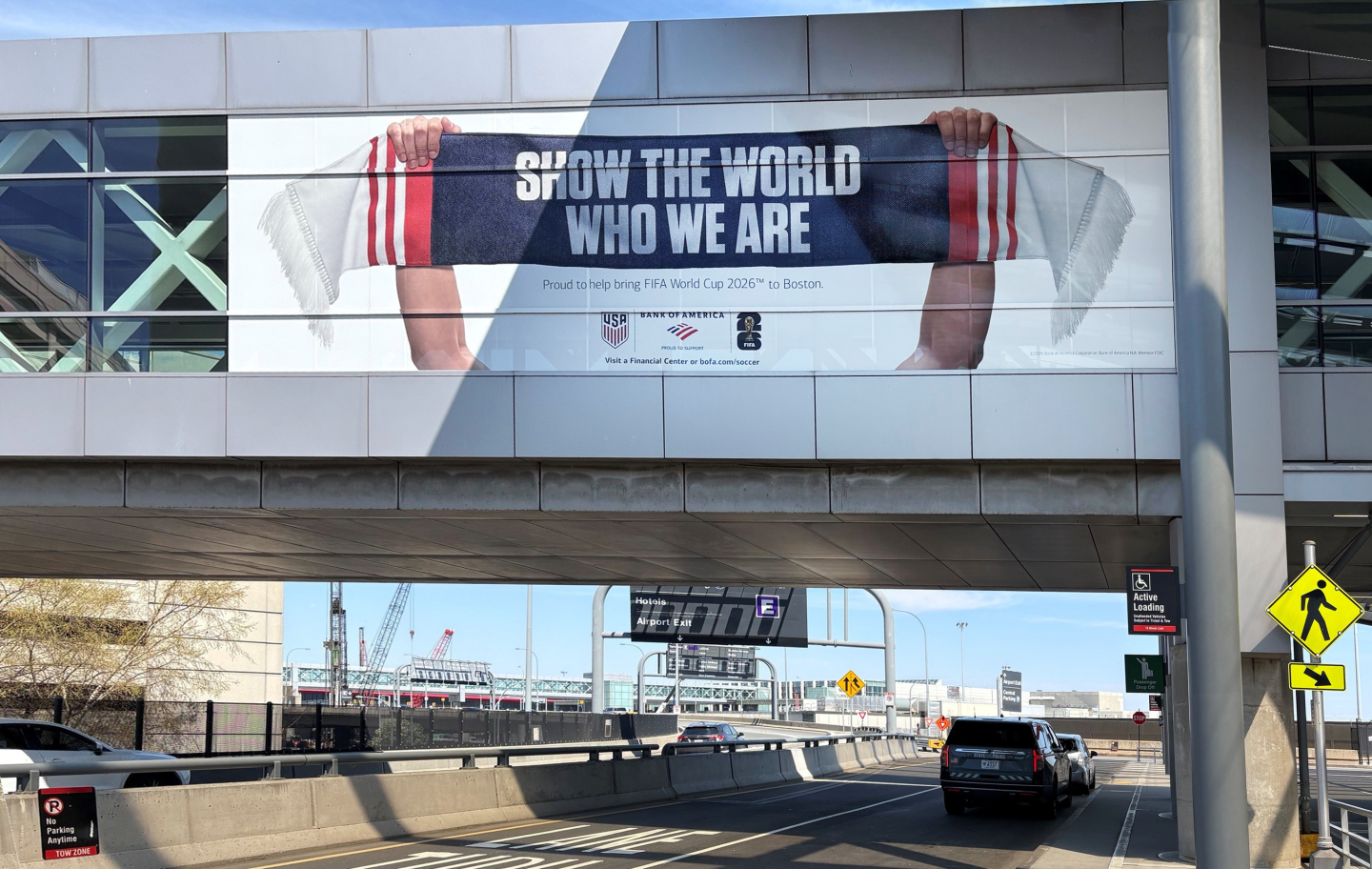
Layered onto this seasonal demand is the global draw of the 2026 FIFA World Cup, which will be hosted across multiple U.S. cities. As domestic and international fans converge on these markets, airlines, airports, and their surrounding infrastructure are expected to operate at or near capacity through key tournament windows. For brands, this creates a rare convergence of volume, emotion, and attention. Traveling fans are highly engaged and actively seeking out experiences that connect them to the event and to local culture.
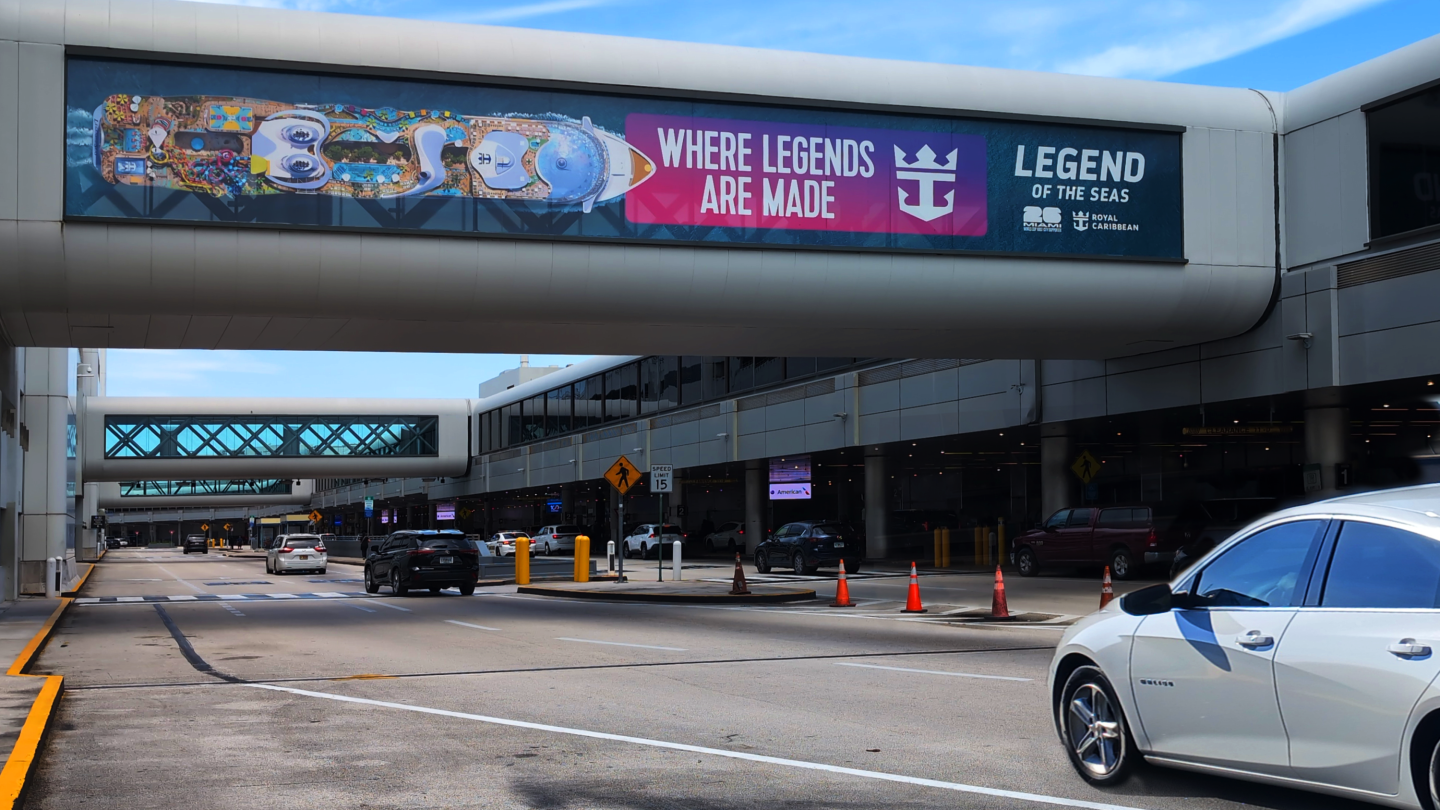
With summer travel and the World Cup multiplying the value of exterior placements, several brands are already making the most of the moment with World Cup creatives. By activating campaigns ahead of kickoff, brands can begin to build association with the tournament and its host cities, creating a sense of anticipation that grows as the event approaches. Once fans arrive, those same large‑format exteriors become part of the visual fabric of the World Cup itself, appearing in photos, videos, and social posts, extending the reach of campaigns far beyond the airport footprint.