
In the world of advertising, the FIFA World Cup isn’t just an opportunity to grab the attention of masses of fans as they tune into the highly anticipated games- it is also driving a wave of increased creativity for sponsors and advertisers.
How Are FIFA Sponsors Using Context to Drive Creativity?
Sporting events sponsorships are a highly influential tool in the advertising toolbox; Nielsen’s 2022 Global Sports Marketing Report found that sports sponsorships are the second most trusted advertising channel after peer recommendations and drive an average 10% lift in purchase intent among fans. However, these initiatives don’t succeed in a silo: fans and consumers need to be made aware of these partnerships through effective brand messaging in order to deliver. Across JCDecaux’s airport partners, 2026 World Cup sponsors are bringing their partnerships to life with a range of campaigns that tap directly into soccer language and fan behavior.
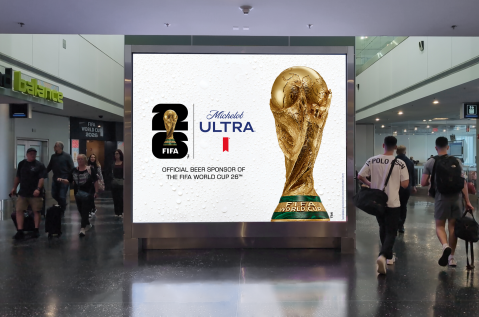
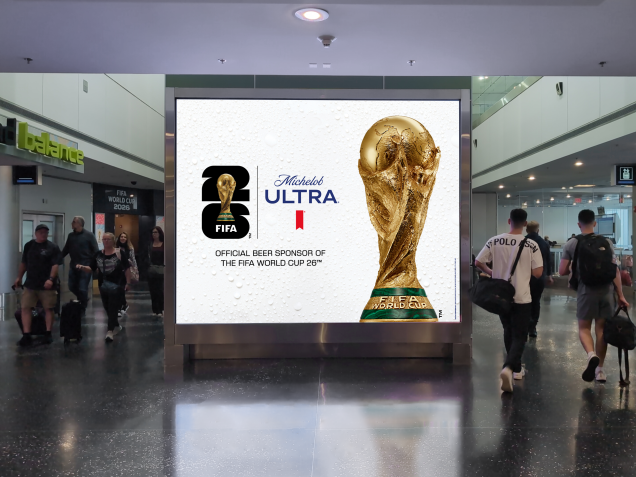
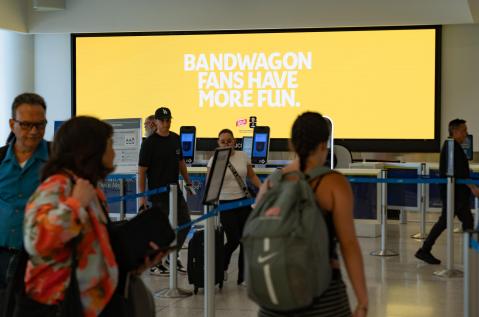
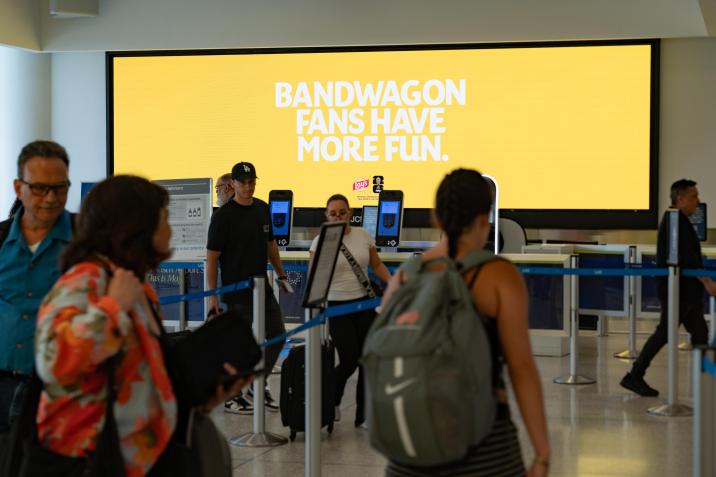
Michelob Ultra creative heroes the iconic FIFA World Cup trophy, using premium, larger than life visuals to celebrate the pinnacle of the game and position the brand at the heart of the tournament experience. Lays welcomes travelers with witty copy that centers on “bandwagon fans,” leaning into the playful reality that, in a global event, everyone suddenly becomes a supporter.
Payments brand Visa uses the line “Tap In,” blending contactless payment with tapping in a goal, turning a functional product benefit into a sport infused call to action. Uber Reserve activates the mindset of planning ahead with the message “winners book in advance” on a pitch style background, positioning pre booking rides as the winning strategy.
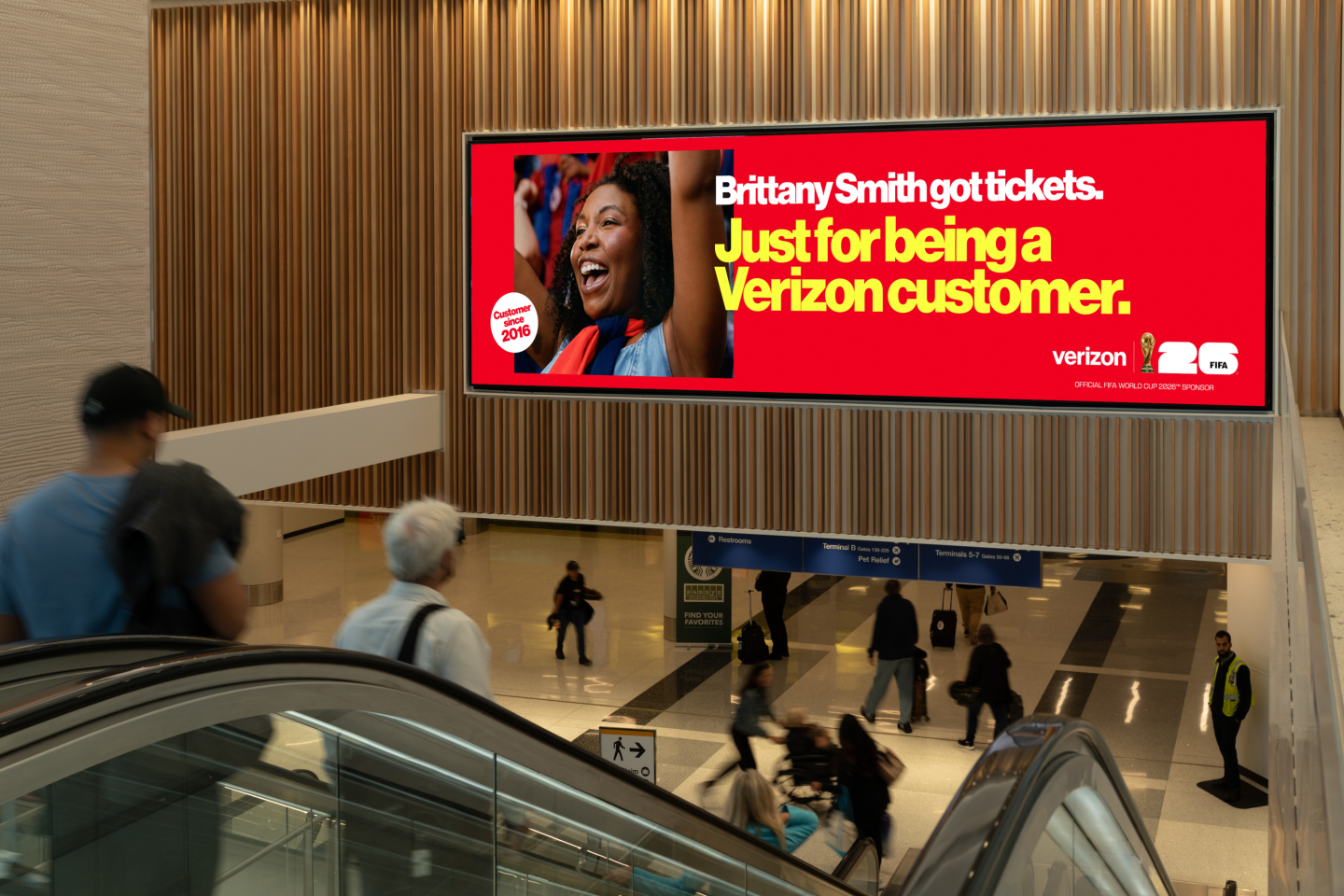
Verizon highlights how customers were rewarded with match tickets simply for being subscribers, reinforcing loyalty and showing concretely how being part of the brand “team” can deliver once in a lifetime World Cup experiences. Meanwhile, Fox Sports is running soccer and airport themed creative with lines like “Can Always Catch Another Flight” and “Extend Your Layover,” reframing travel delays as opportunities to stay and watch more World Cup action and reinforcing the idea that the tournament is the journey fans don’t want to rush through.
How Do Non-Sponsor Brands Create World Cup Relevance?
The associated $10.5 billion in ad spend generated by the World Cup in Q2 alone is not just driven by official partners. From competing beverages and direct-to-consumer to telecommunications and transportation, brands across industries are activating creative, contextual campaigns to capture the attention of the masses.
From Choctaw’s “Let’s Goal” creative, leaning into the language of scoring and momentum, to Amgen, activating in LAX as an LA host city supporter, these campaigns positioning brands as part of the infrastructure and innovation behind the event, without the cost of top-tier rights.
In Texas airports, T‑Mobile’s bilingual Spanish and English “Travel Easy” e-sim campaign uses soccer‑themed imagery to connect its role as a connectivity provider to the very real needs of fans traveling to matches, visiting family, or streaming games on the go.
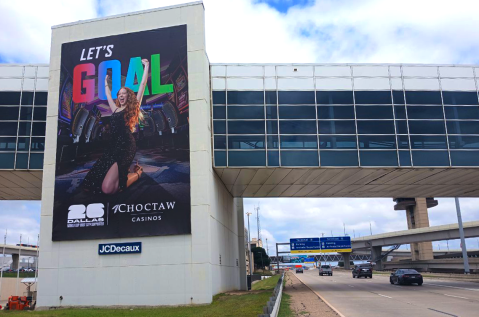
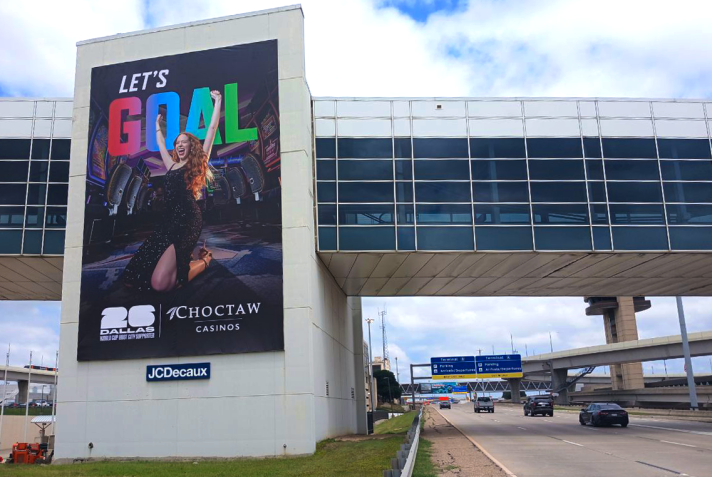
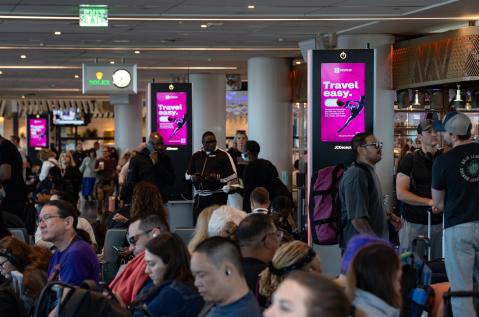
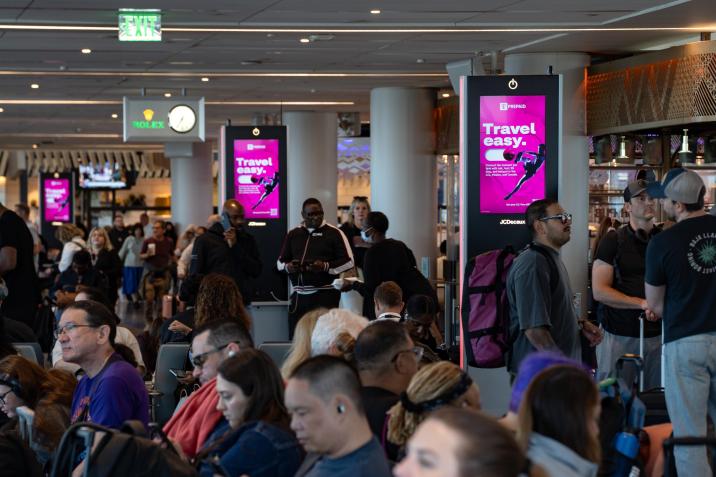
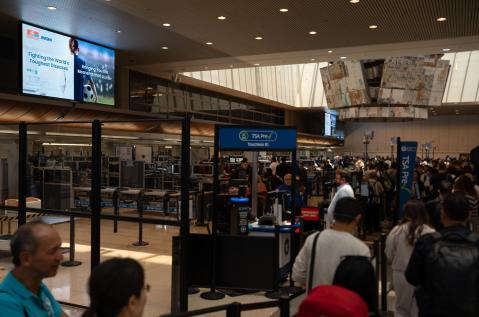
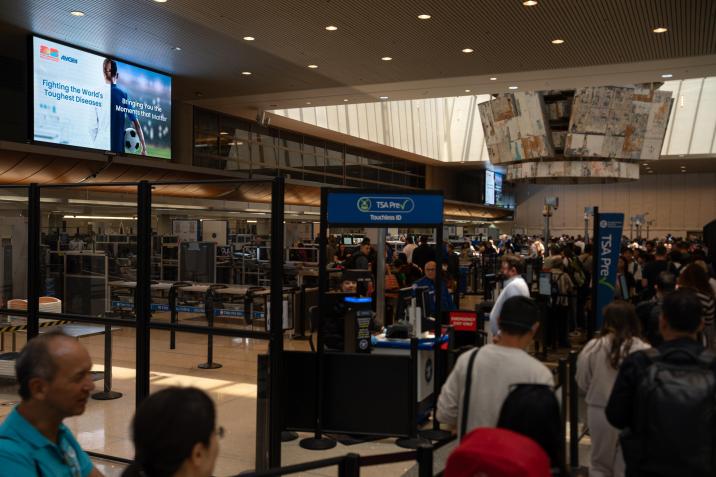
There are few opportunities to reach mass audiences with such a distinctive and emotionally intense shared interest- the World Cup creates a moment where brands can all but guarantee success by putting ads with the right context in the right location; as System1’s analysis shows, “soccer fans show 11% more happiness and 12% less neutrality toward soccer-related ads, an emotional trend linked to stronger commercial rewards.” Brands that speak in the language of the moment and reflects what fans are feeling is far more likely to be noticed, enjoyed and remembered. Contextual World Cup creative lets non-sponsors tap into the same emotional spike that official partners are paying for.
Existing consumer trends still matter in this moment. Studies have consistently shown that consumers respond to companies that care about the social and environmental issues that matter to them, and this remains true in the context of sporting events. The same Neilsen study of sports fans and brand sponsorships shows that purpose-driven campaigns around sporting events increase sales by 50% in the short term, and between 1.2-1.3x in the longer term. PetSet, a Houston-based animal welfare nonprofit organization, is capitalizing on this World Cup relevance to increase their visibility by running a PSA with the message “One World. One Cup. One Goal.’
How are Athletes Driving Successful Airport Advertising Campaigns?
Athletes at the top of their game are increasingly gaining celebrity status- capturing the attention of the masses and gaining influence once reserved primarily for A-list movie stars. With countries across the world bringing their soccer stars to create elite national teams for the World Cup, media coverage and collective attention on these celebrity-status players has never been higher, building a rare opportunity where endorsements from individuals bring both celebrity and cultural relevance to brand campaigns.
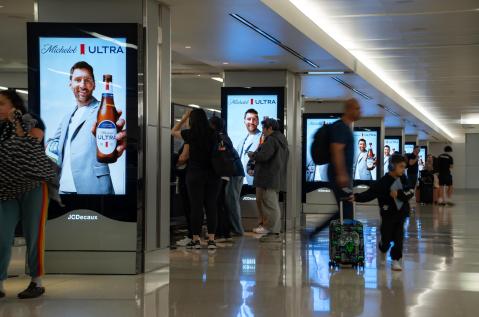
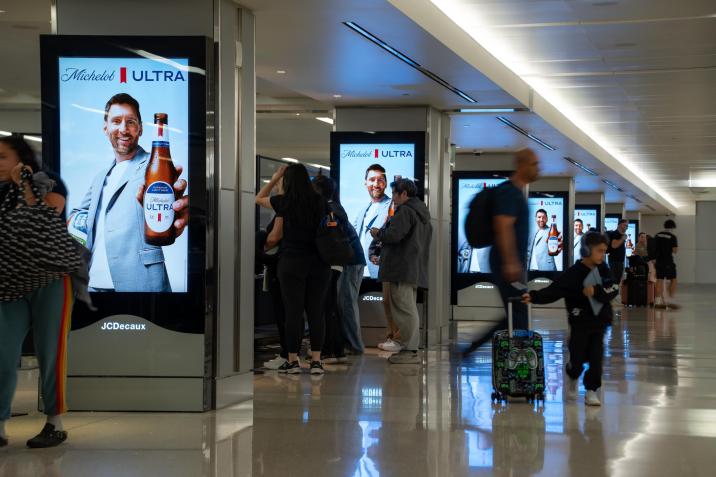
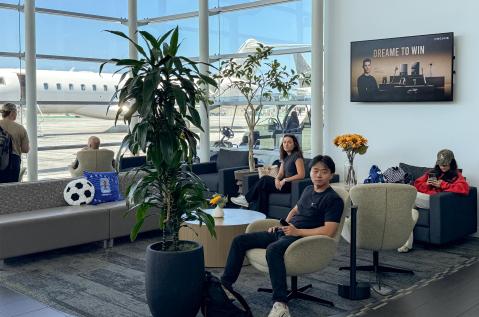
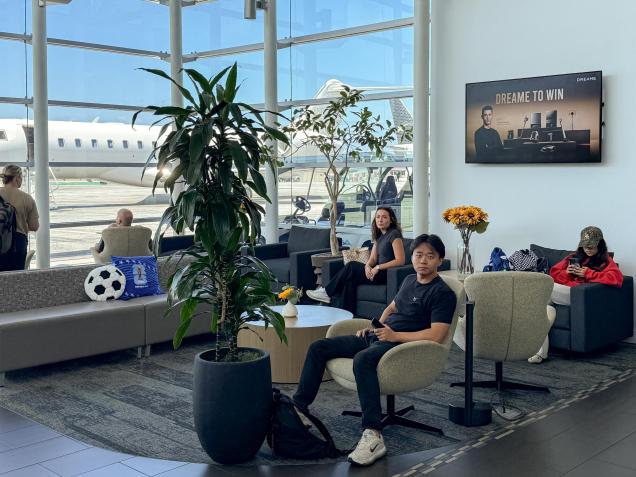
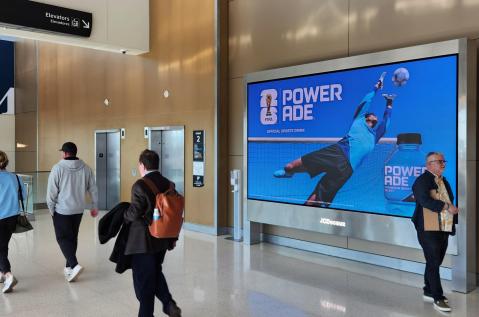
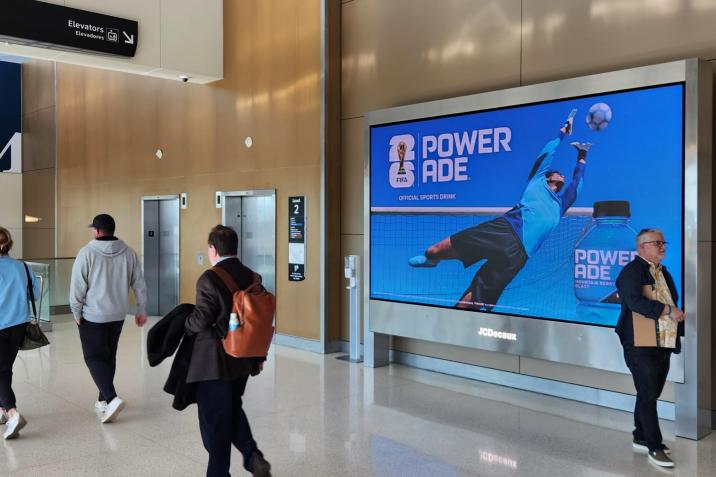
Superstar athletes Christiano Ronaldo, Lionel Messi, and Lamine Yamal are lending their public appeal to several campaigns in the airport environment, helping Michelob Ultra, Dreame Technology, and Powerade take their World Cup campaigns to the next level. When a neuroscience study from Wharton studied eye tracking and pupil dilation in response to advertising to determine whether celebrity endorsements are actually effective, they found that not only are consumers more likely to select a celebrity-endorsed product, they are also making that choice faster. In an attention-limited and advertising-rich landscape, empowering faster conversion makes a big difference in driving campaign success.
How Brands Can Ensure they Stand Out in Crowded Ad Landscape?
Despite the proven value of sports sponsorships, the crowded brand landscape surrounding big events like the World Cup can lead to challenges for long-term sponsorship identification. As Harvard Business Review notes, “distinctive experiences anchor a brand in the consumer’s mind,” underscoring that it’s not enough to simply put a logo next to a match or a star player—brands need to create memorable, differentiated moments that fans can recall long after the final whistle.
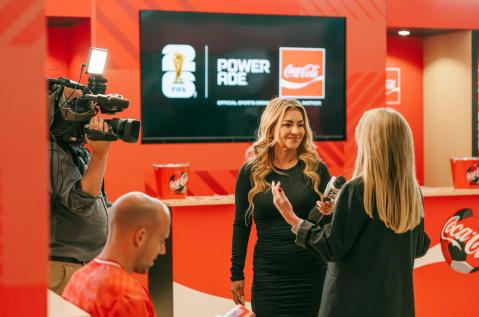
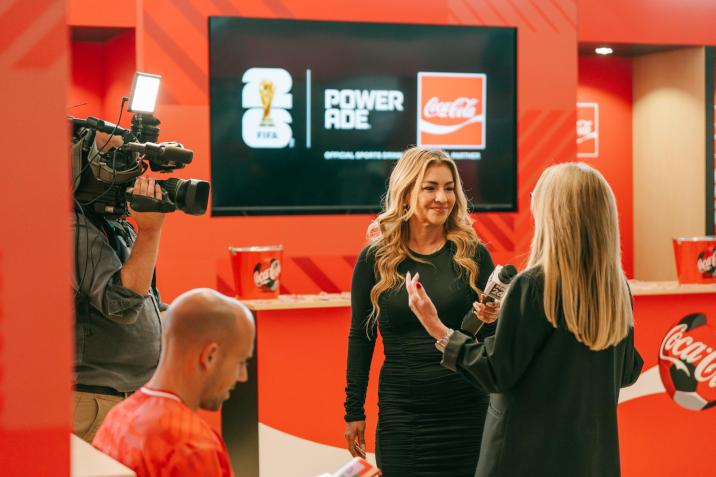
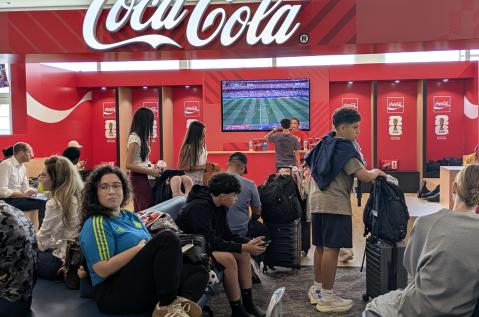
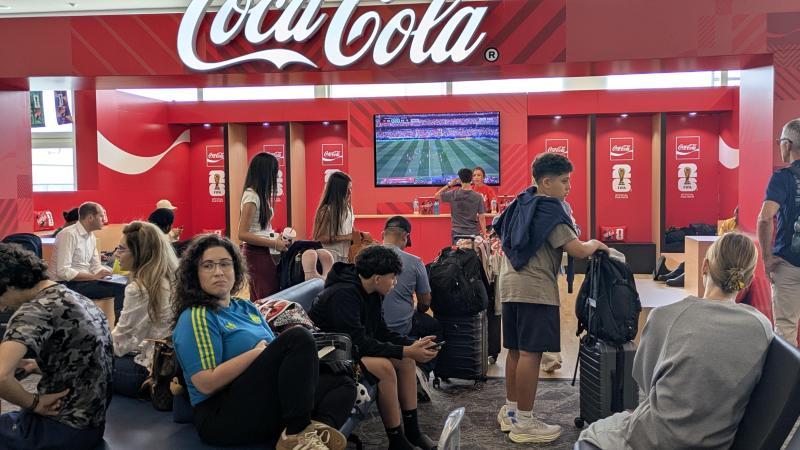
Coca-Cola’s World Cup exhibit in George Bush Intercontinental Airport, the gateway to Houston’s seven matches, is a clear example of this principle in action. In addition to a highly contextual airport campaign encouraging fans across the nation to “Drink in every Goal”, the brand created a dedicated experience zone where fans could step into a tournament-themed environment featuring soccer visuals, trophy-led displays, interactive elements, and photo opportunities that encourage social sharing and co-creation of content. Positioned as a celebratory “moment” rather than just a static ad, the exhibit turns Coca-Cola’s long-standing football sponsorship into a tangible, shareable memory. This kind of immersive activation helps cut through the noise of competing World Cup campaigns: by giving fans something to do, see, and remember, experiential sponsorships ensure that Coca-Cola’s role in the tournament isn’t just seen, but genuinely felt and encoded, strengthening long-term sponsorship identification and brand loyalty.
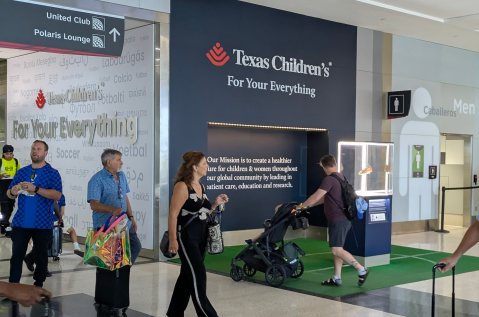
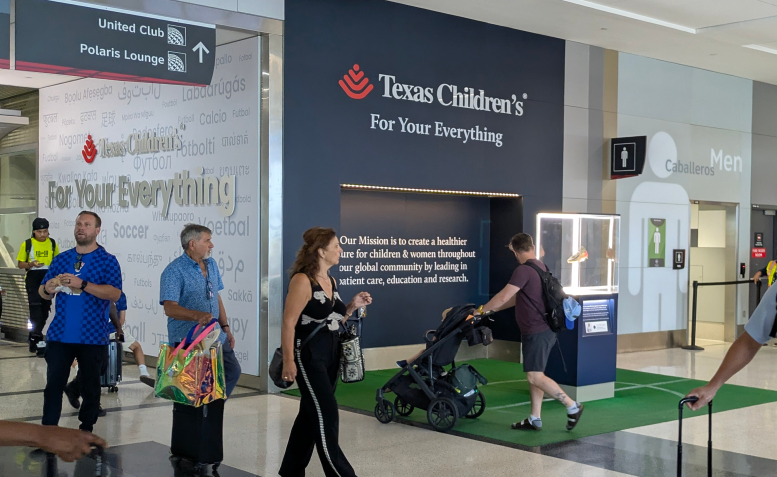
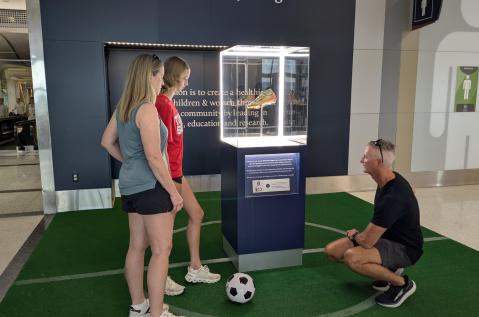
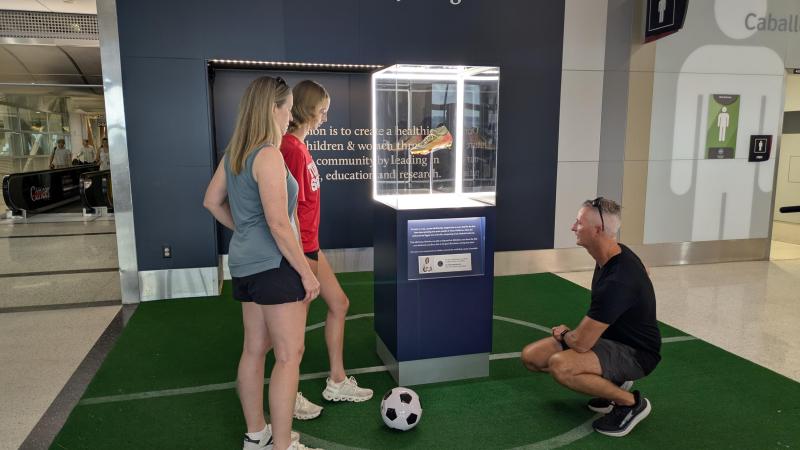
Elsewhere in IAH, a more unexpected brand is also activating an innovative pop-up campaign: Texas Children’s Hospital helped welcome fans from around the globe with a heartwarming success story that celebrates their status as one of the world’s best, largest and most comprehensive specialty pediatric hospitals. The activation highlights the story of young athlete Brinnley Lisenby, showcasing the soccer cleat she wore during her first time back on the field after battling acute myeloid leukemia for more than seven months at Texas Children’s.
As the world celebrates athletic achievements this summer, this is a heartwarming and topical reminder for travelers that Texas Children’s is committed to helping children from Texas and around the world get back to the moments that matter.