
Out-of-Home (OOH) advertising continues to stand as a high-impact medium for reaching consumers when they are away from their screens and navigating the physical world. The airport environment offers a unique venue for brands to capitalize on situation-based, contextual advertising and reach mass audiences at a time when they are uniquely receptive to brand messaging. Through dynamic placements and tailored messaging, JCDecaux enables advertisers to deliver contextual campaigns that integrate into the consumer’s journey, driving awareness, recall, and purchase intent.
Targeted Reach in a High-Emotion Environment
Airports represent an environment distinct from almost any other public space. Travelers consistently experience a heightened mix of emotions, transitioning from the stress of navigating security to the excitement and relief of reaching their gate. Because passengers spend an average dwell time of 90 minutes moving through standard airport routines, brands have a crucial window to introduce relevant, convenient, and timely solutions. Furthermore, research shows that 93% of business travelers think positively about business travel and feel a strong sense of excitement for their upcoming trips while at the airport, creating an alert, positive mindset where 85% of frequent flyers actively enjoy airport advertising.
Contextual advertising delivers messaging aligned with the consumer's immediate physical context and mental state. This contextual relevance plays a critical role in consumer engagement and ad effectiveness, with global research by Ipsos and JCDecaux further reinforcing this impact, showing that 77% of air travelers take action during or after their trip as a result of airport advertising, proving that contextually relevant messaging drives real-world outcomes.
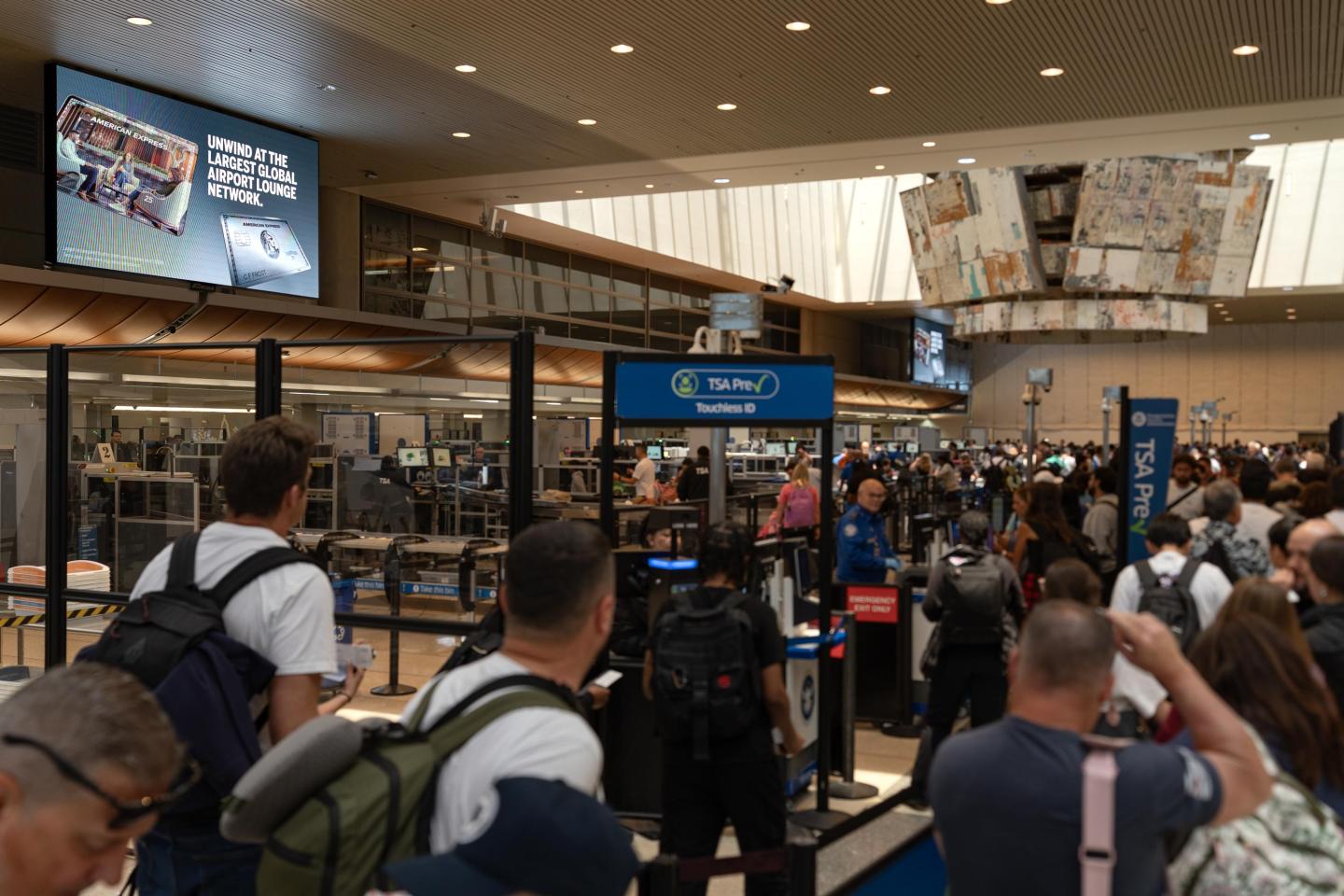
Finance Leaders Capitalize on Traveler Mindset
Leading financial institutions like Citigroup and American Express (AMEX) have leveraged JCDecaux’s airport network to deploy contextual campaigns designed around the travel experience. By placing targeted creative near airport transit hubs and designated brand lounges, Citigroup and AMEX reach a high-value demographic mix including executive travelers, young professionals, and vacationing families. Connecting airport-centric messaging with physical lounge access points reinforces brand utility at the exact point of experience, boosting consideration and brand equity among high-intent audiences.
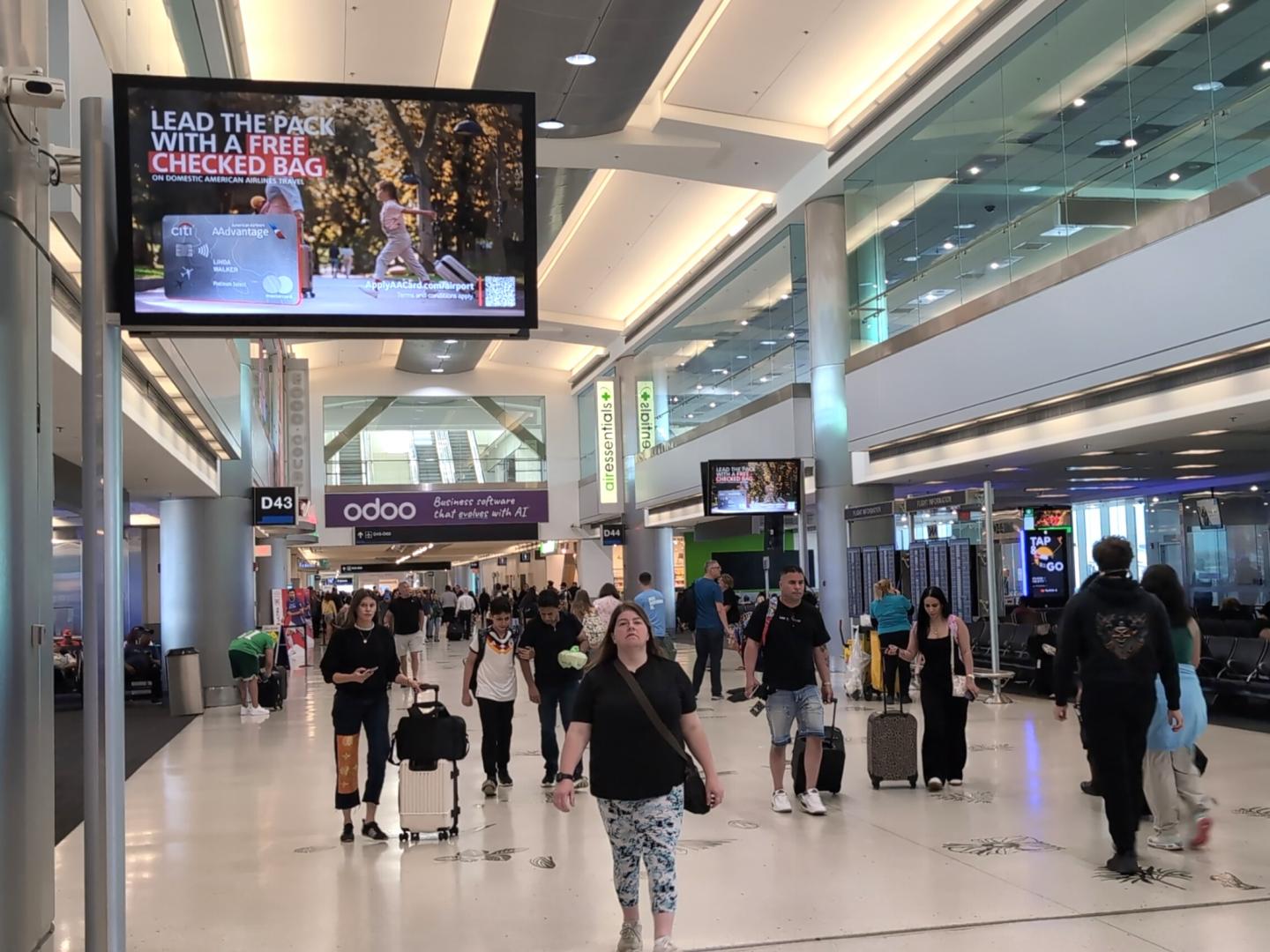
Elevating Purchase Intent with Situational Relatability
Situational advertising is also effective at turning everyday friction into a brand engagement opportunity. A notable example is cybersecurity brand ULSE, which tapped into common travel tropes to build an emotional connection with travelers. By leaning into relatable airport experiences—such as "the seat kicker," "the window hog," or "the super snooper"—ULSE turned shared travel nuances into lighthearted creative hooks.
For instance, addressing "the super snooper" directly spoke to the privacy risks of shoulder surfing in crowded gate areas, positioning on-the-go cybersecurity as an immediate necessity. Given that 85% of flyers make purchases while at the airport and 65% state their airport spending is unplanned, contextually relatable campaigns capture spontaneous demand. By aligning messaging directly with what consumers were seeing, feeling, or experiencing in real time, the campaign transformed an abstract service into a timely, practical solution, enhancing relevance and influencing purchase intent at the point of need.
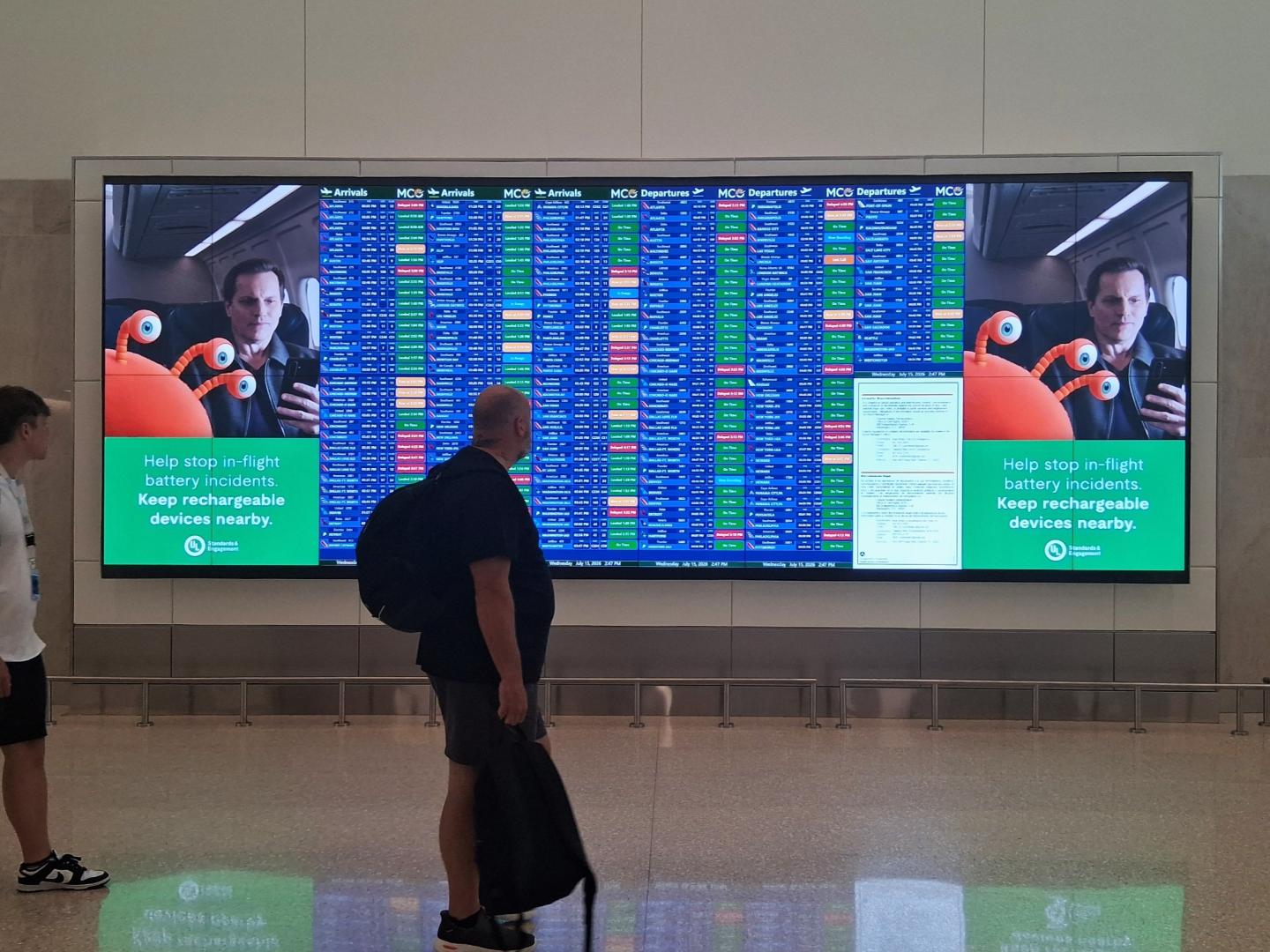
Driving Action Through Context
Situation-based OOH delivers a compelling value proposition for modern marketers. By uniting mass yet targeted reach with a natural, non-disruptive footprint, it fits seamlessly into the traveler’s environment without breaking consumer trust. By pairing JCDecaux's global footprint with location-aware creative, brands can move beyond standard impressions, delivering the right message, in the right context, at precisely the right moment.