Fall Travel Takes Off

As global summer temperatures reach record highs and traditional peak-season destinations face unprecedented overcrowding, high-value travelers are redefining the global leisure calendar.
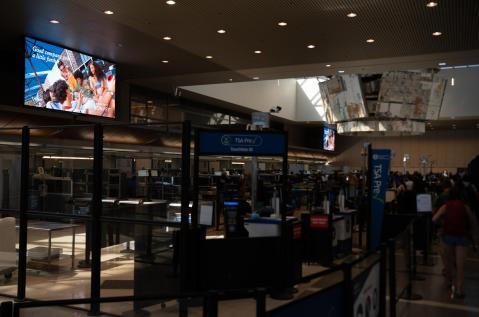
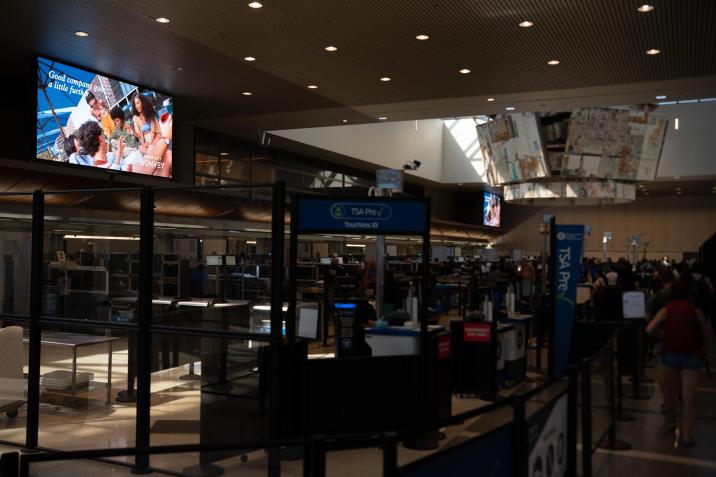
As global summer temperatures reach record highs and traditional peak-season destinations face unprecedented overcrowding, high-value travelers are redefining the global leisure calendar. The emergence of the "fallcation" marks a fundamental shift toward prioritizing autumn travel over midsummer trips. According to Virtuoso, the global network of luxury travel advisors, Labor Day now serves as the official starting point for fallcations as wealthy jetsetters actively bypass traditional summer congestion. This shifting consumer behavior aligns seamlessly with JCDecaux’s airport media network. As affluent consumers transition into this new travel rhythm, JCDecaux provides premium brand partners with an uninterrupted touchpoint to engage a notoriously elusive audience right at the critical moment of intent.
The volume and velocity of luxury autumn bookings reflect a booming high-net-worth travel ecosystem. Virtuoso reports that fall bookings for luxury travel and curated experiences have surged 59% year-over-year, accompanied by a 69% increase in total sales volume. September has officially transformed into a peak travel month with sales rising 77%, while October and November have posted remarkable gains of 54% and 71%, respectively.
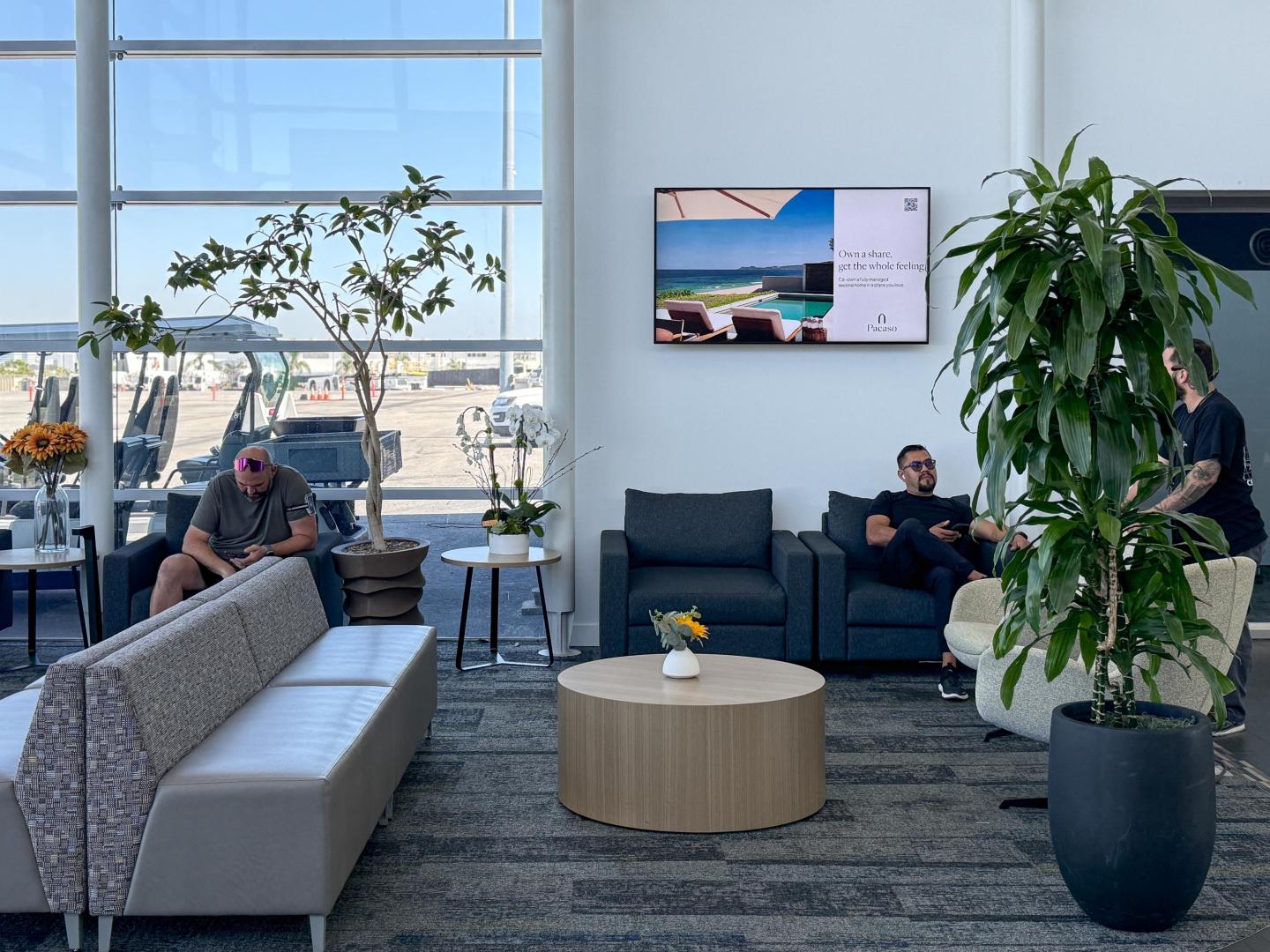
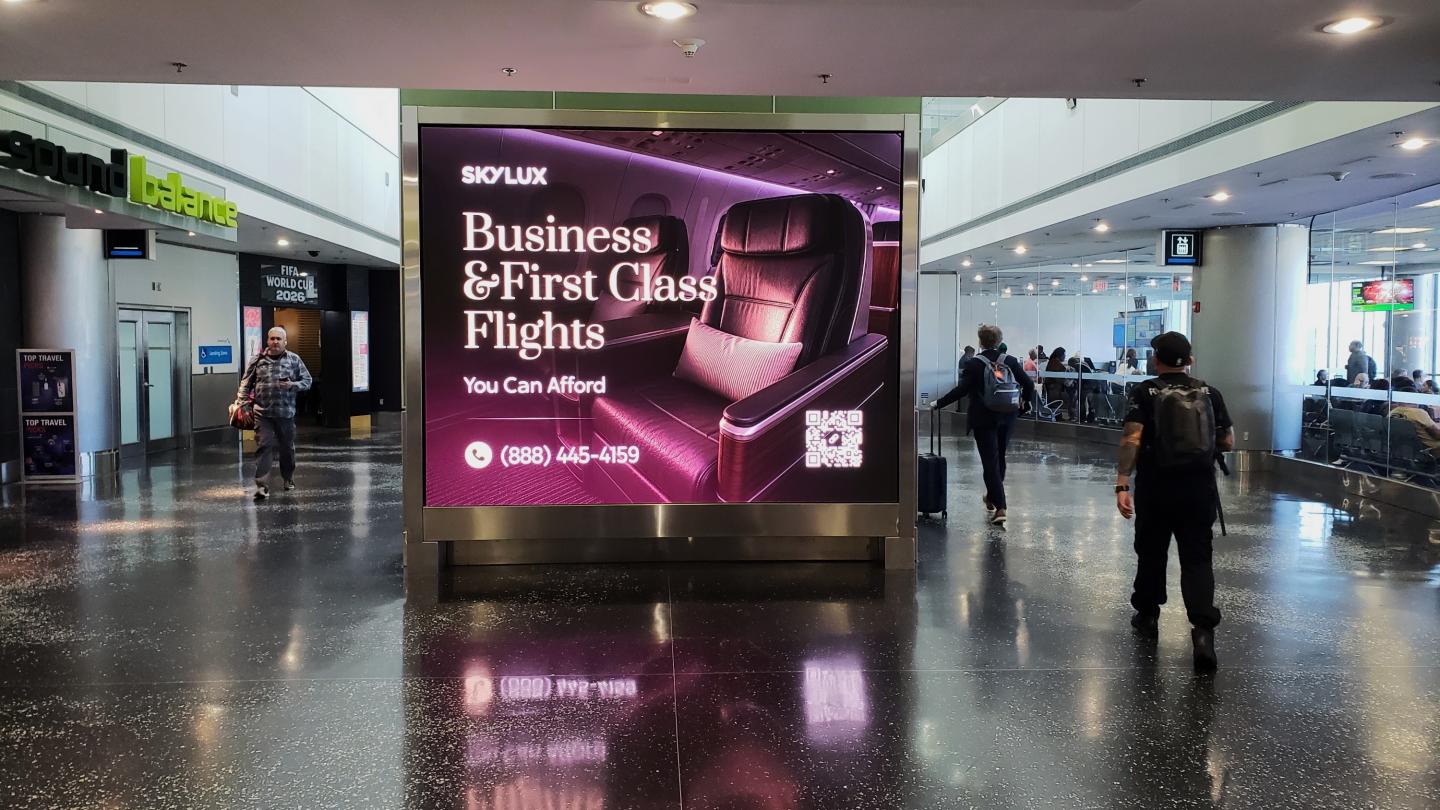
For High-Net-Worth (HNW) and Ultra-High-Net-Worth (UHNW) travelers, autumn journeys often rely on private flights using branded residences or private villas as home bases—a trend skewing increasingly younger, with millennials driving the highest demand for private jet requests. Forward-thinking luxury brands are aggressively leveraging JCDecaux’s premium airport displays to connect with this surging wealth. For instance, real estate technology platform Pacaso activated strategic campaigns across JCDecaux’s private aviation networks in San Francisco and Los Angeles, directly presenting their luxury home co-ownership model to UHNW travelers moving through private terminals. Similarly, SkyLux Travel deployed targeted messaging in Miami’s airport network to showcase premium business and first-class flight offerings directly to affluent long-haul travelers entering and exiting Florida.
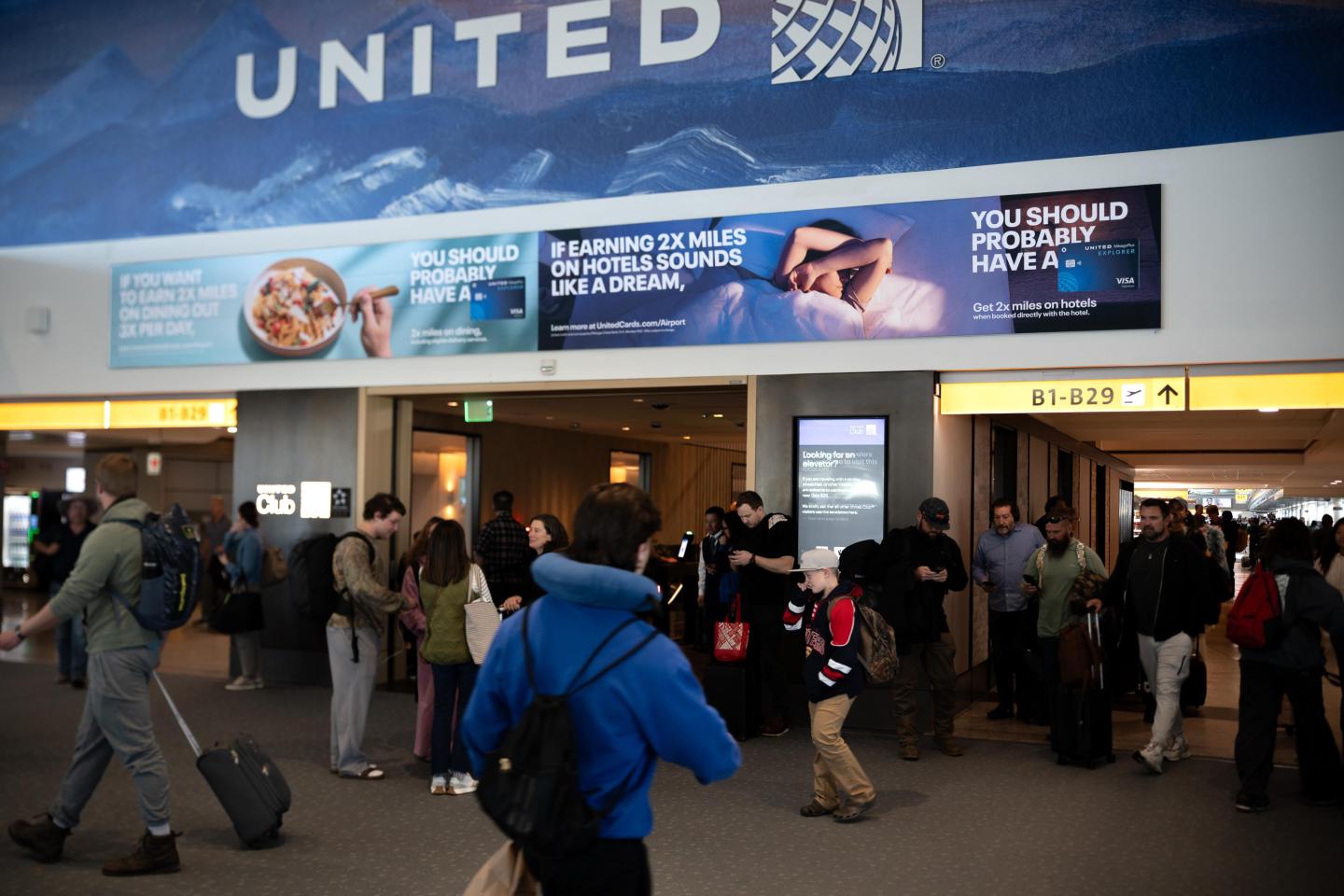
Airlines and card issuers are also maximizing their presence within dedicated airport hubs to drive long-term customer loyalty and financial value. American Express recently executed high-visibility creative featuring its co-branded Delta Air Lines credit cards throughout Delta’s flagship hub at Los Angeles International Airport (LAX), while United Airlines deployed targeted campaigns promoting its mobile app inside its core hub at Denver International Airport (DEN). Similarly, United and Chase have deployed targeted high-impact campaigns promoting the Chase United co-branded card portfolio inside Houston’s (IAH) newly transformed Terminal B. Concentrating this presence at IAH—United’s largest southern hub—capitalizes on captive local and connecting passenger flows, ensuring that high-value travelers are exposed to co-brand credit card incentives right at the carrier's primary hub of operations.
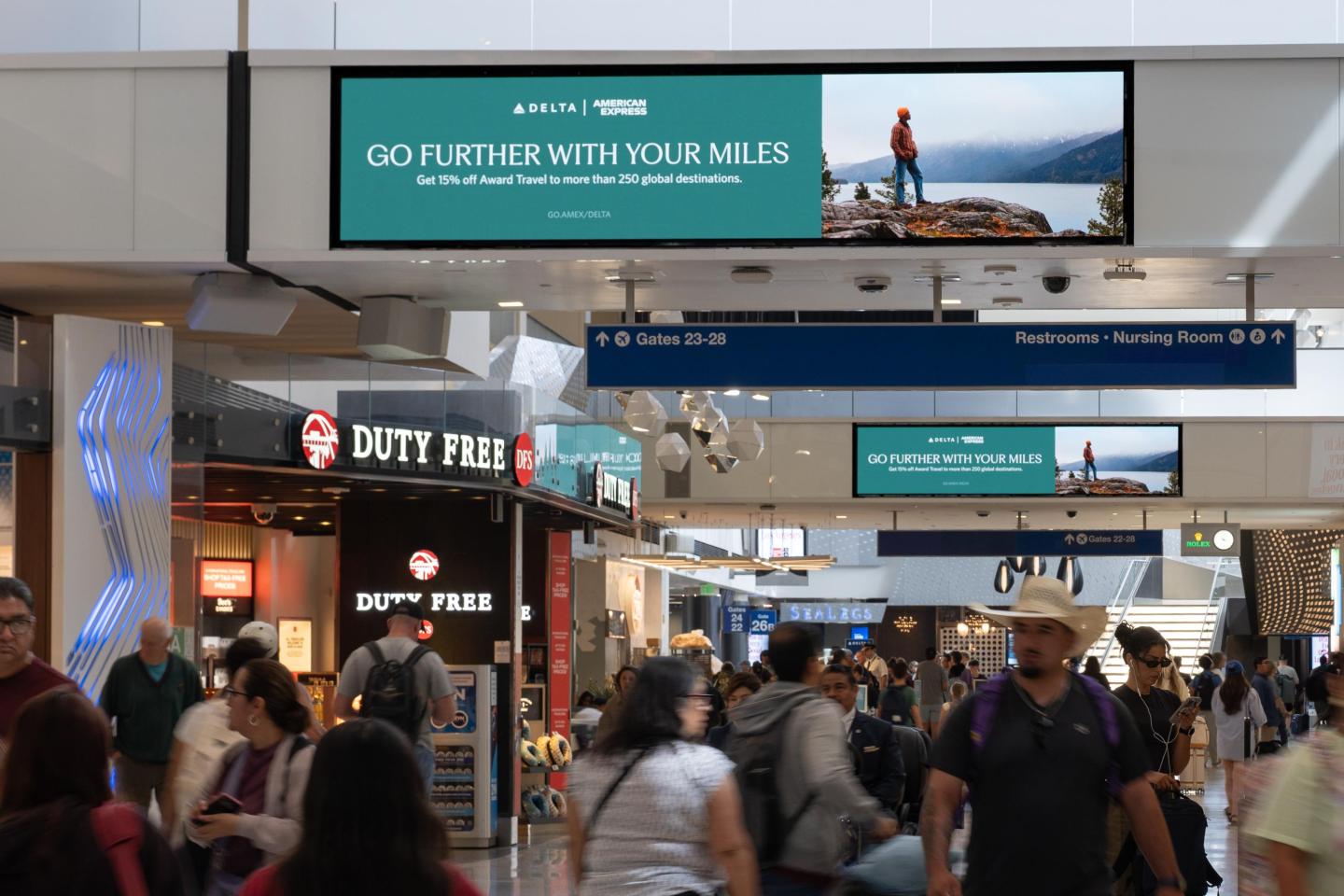
The economic imperative behind these hub-focused campaigns is clear: loyalty program monetization now accounts for 40% to 50% of total ancillary revenues for legacy carriers including Delta, American, and United according to the IdeaWorksCompany 2025 Yearbook of Ancillary Revenue. Airport out-of-home media offers the ideal environment for driving these high-value conversions. Nielsen and Ipsos airport research indicates that 53% of travelers arrive at least two hours before departure, creating prolonged dwell times where memory encoding and brand recall spike by up to 20%. Furthermore, 56% of business frequent flyers recall seeing airport ads, and nearly half take immediate action such as visiting a website or applying for a card. By partnering with JCDecaux, airlines and financial partners secure full-funnel engagement across check-in, concourses, lounges, and baggage claims.
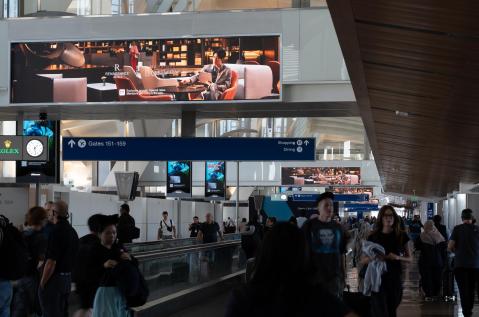
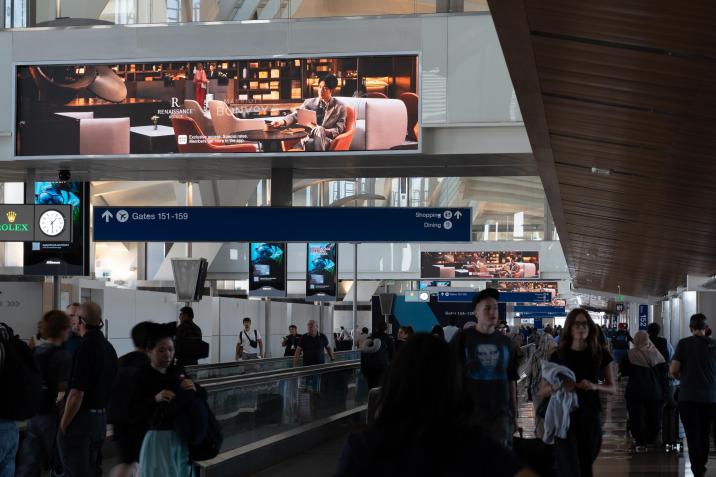
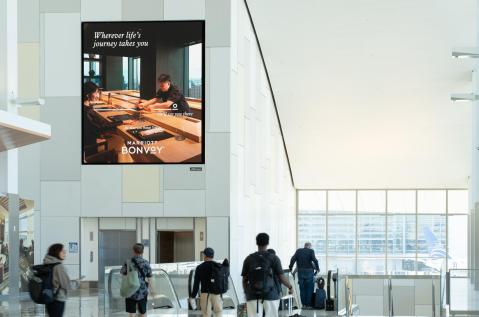
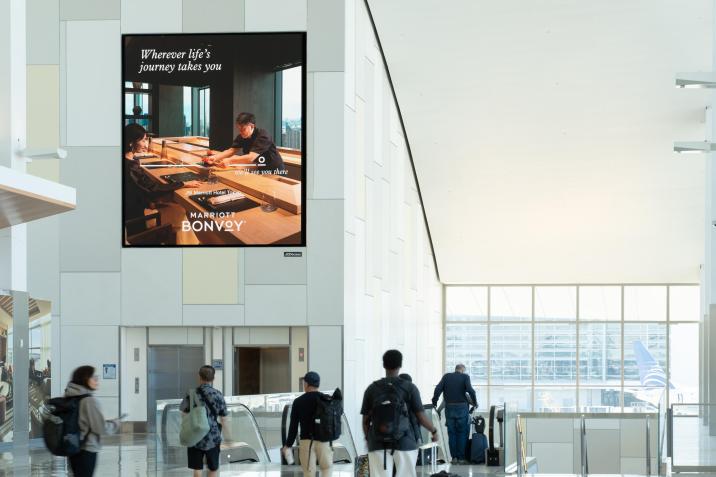
To capitalize on the influx of fallcationers, hospitality giant Marriott International executed a massive digital out-of-home campaign across two of the nation's premier travel gateways: LAX and Miami International Airport (MIA). In a strategic move to stand out during peak travel periods, Marriott elevated its campaign to a commanding 25% Share of Voice (SOV) on over 500 screens, significantly surpassing the standard 12.5% airport baseline. By claiming a portion of all digital screen rotations, Marriott guaranteed repeated, high-frequency exposures as passengers navigated from security checkpoints to gate hold rooms and arrivals areas. In an airport environment, where novel surroundings naturally heighten dopamine and lower psychological barriers to influence, high SOV yields exponential gains. By dominating digital inventory in high-density travel corridors, Marriott successfully captured extended traveler attention during idle wait times, driving ambient brand presence into direct booking intent among high-spending autumn vacationers.